
Nagoya & Hiroshima, Japan
When Nate and I first got on the connecting plane from Detroit, most of the passengers were Japanese. That was the first little taste of culture shock, for someone not used to being a minority. Everyone around me was speaking Japanese–it was really happening. My first international trip. I’d been to Canada, but… can we really count that?
Didn’t sleep much. It was an interminable flight. When we finally got there, there was a lot of clumping at the airport. Suddenly a huge school of shimmering travelers would jostle by like so many baggage-lugging fish, pinballing off haphazard cordoning belts, vanishing as soon as they’d come. It was a comical contrast to my image of orderly, quiet public spaces I’d been told to expect.
But once we escaped the hectic airport, things did become a little quieter. Still, I was pleasantly surprised by how often strangers initiated contact with a desire to be helpful, in English. I was a pretty terrible nation-guest for a good while, too anxious to try any sumimasens or arigatous.
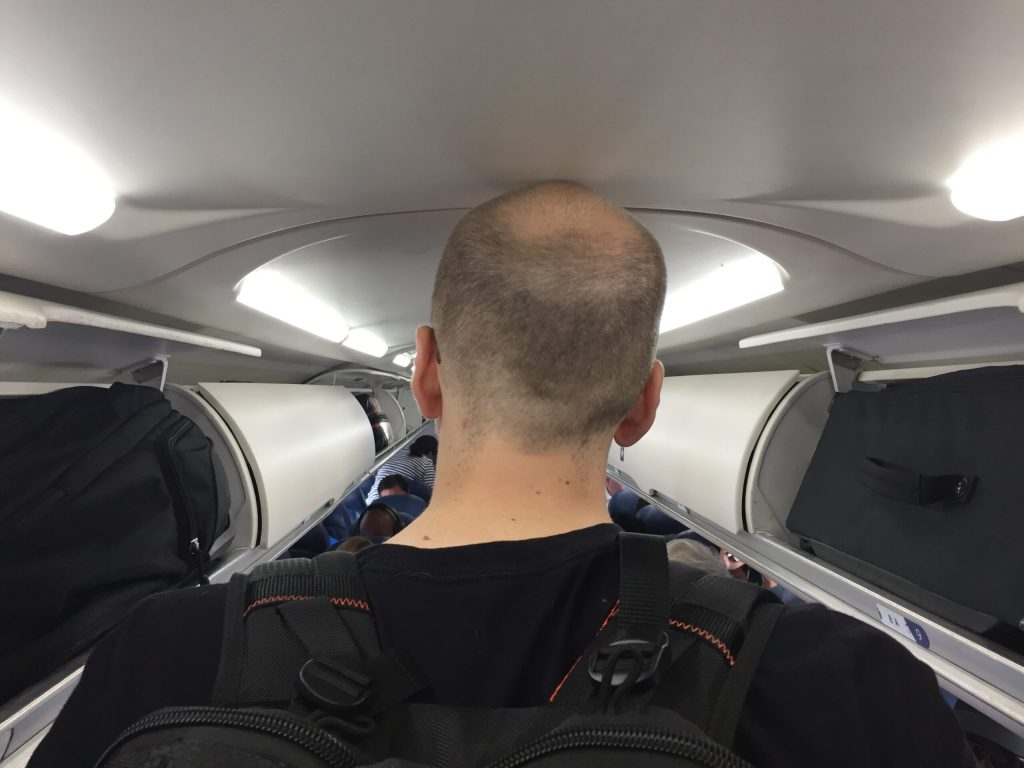
Our friend Audrey met us outside the airport, and we took our first trip on what would become perhaps my favorite Japanese staple.
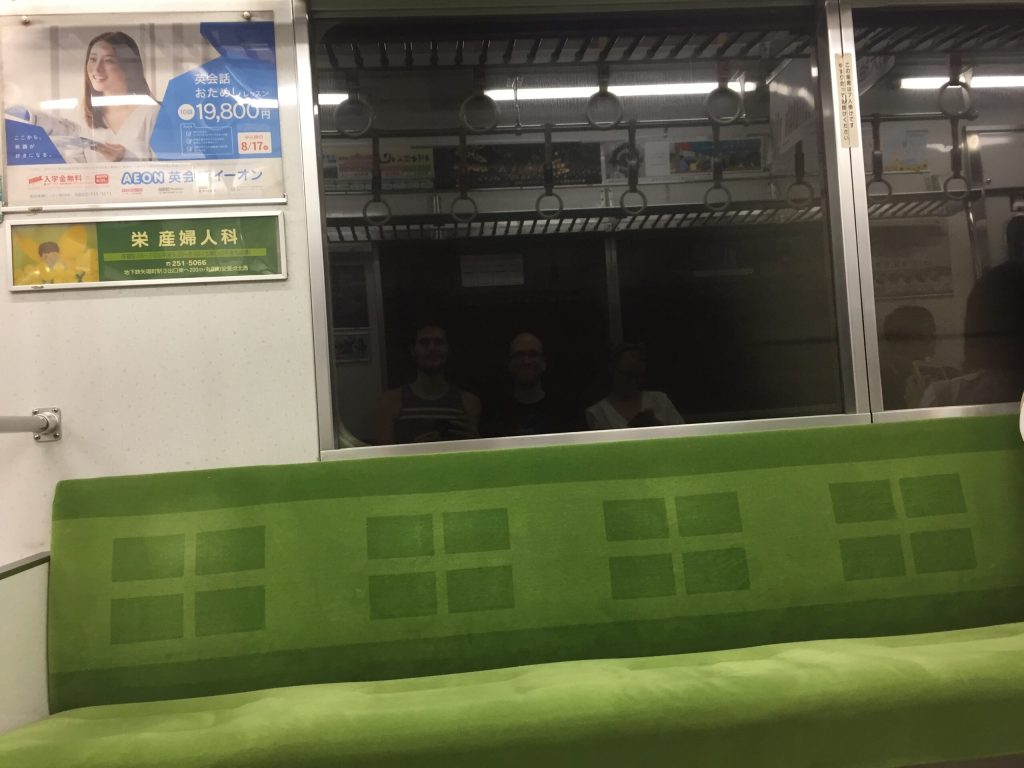
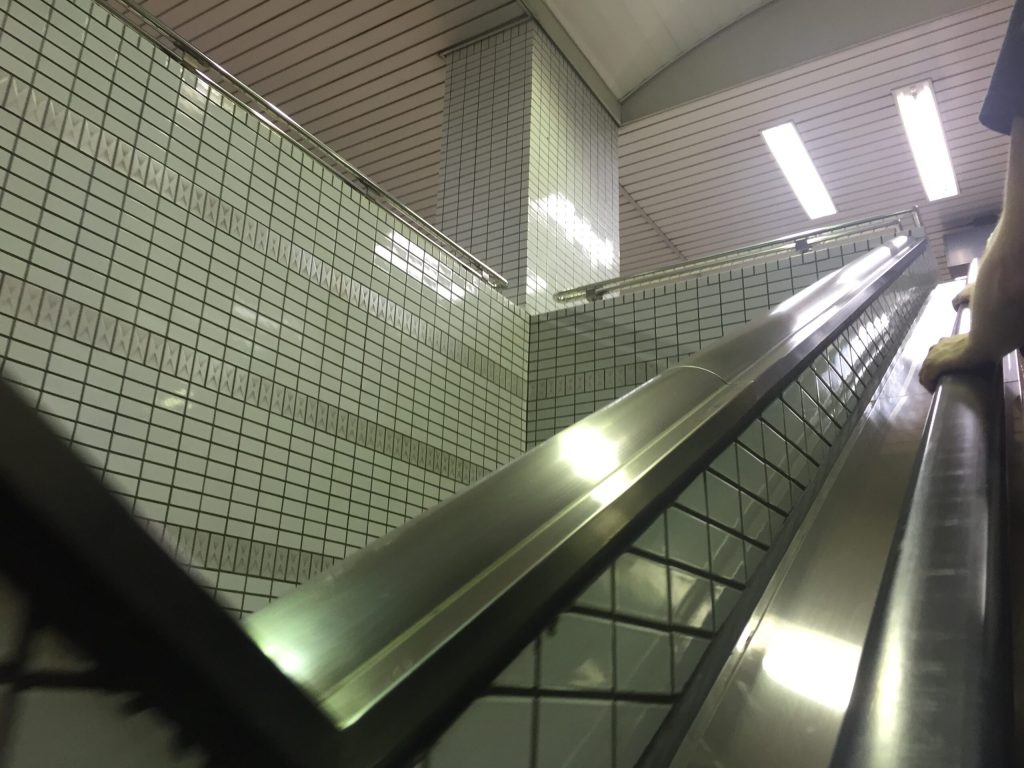
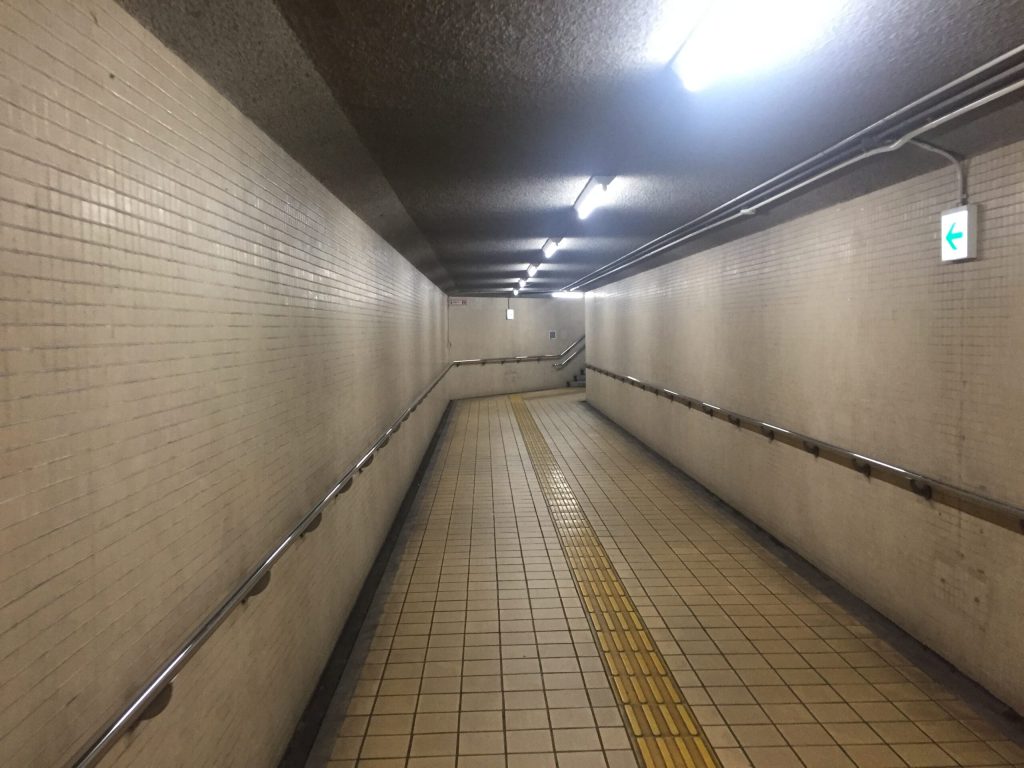
Subways: dingy and closed-in, the smell of axle grease and mildewed basement billiards tables (with weird green cloth seats to match), jingly but otherwise silent. Supremely charming. The thing I thought of most wanting my siblings to be there to experience with me. Smell reifies stuff. And the tiles everywhere make you feel like you’re in an underground maze world.
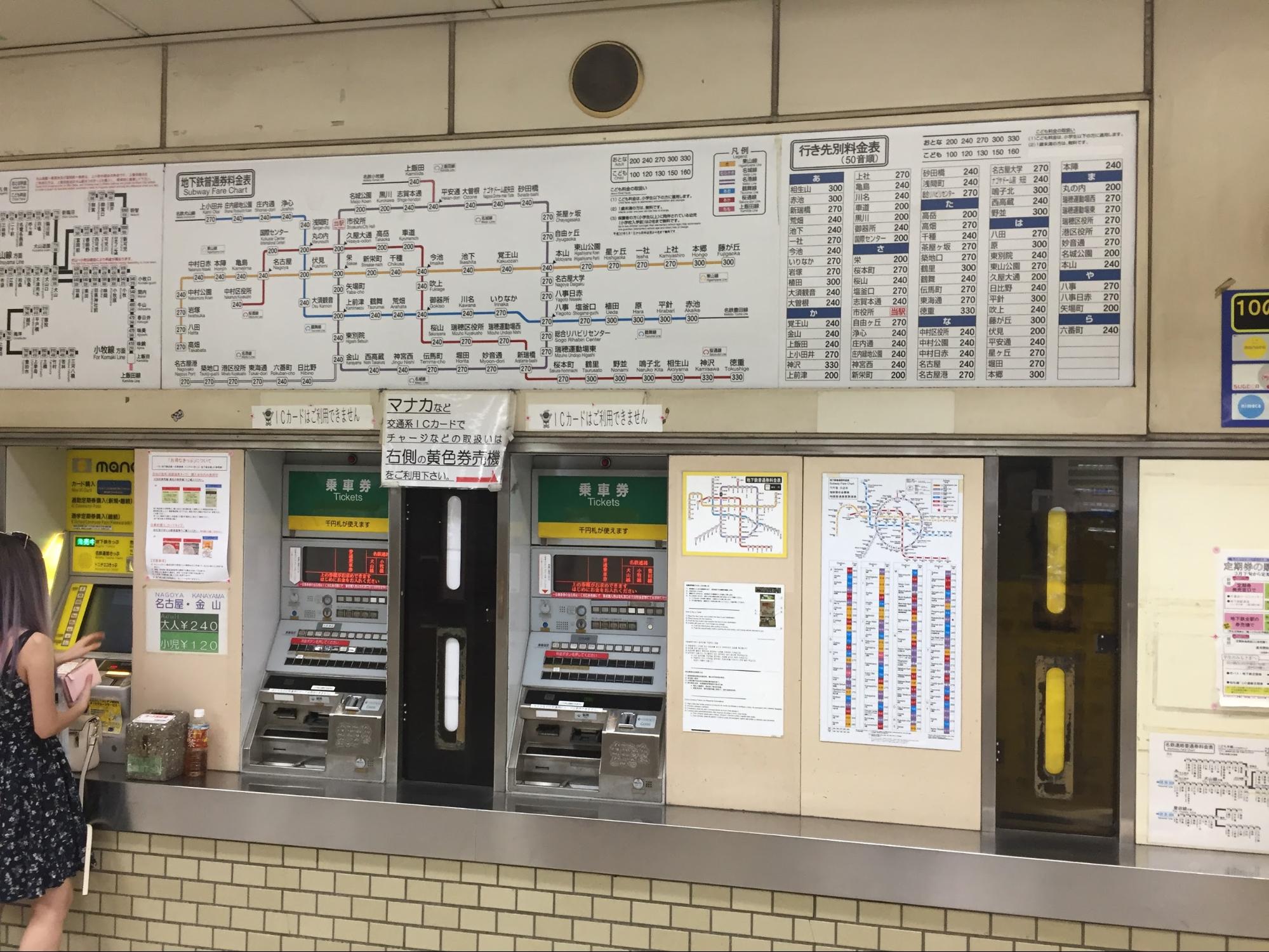
In just a couple weeks, I’d become comfortable with instructions like “go to the Aratama-bashi station and get a ticket for Nagoya station, where you should transfer to a JR express to Nakatsugawa. Find the bus station and watch for Magome. Get out there and walk through the hills to Tsumago, then take a taxi back to Nagiso.” Make sure you bring enough yen for fare both ways. (I didn’t–back to that in a bit.)
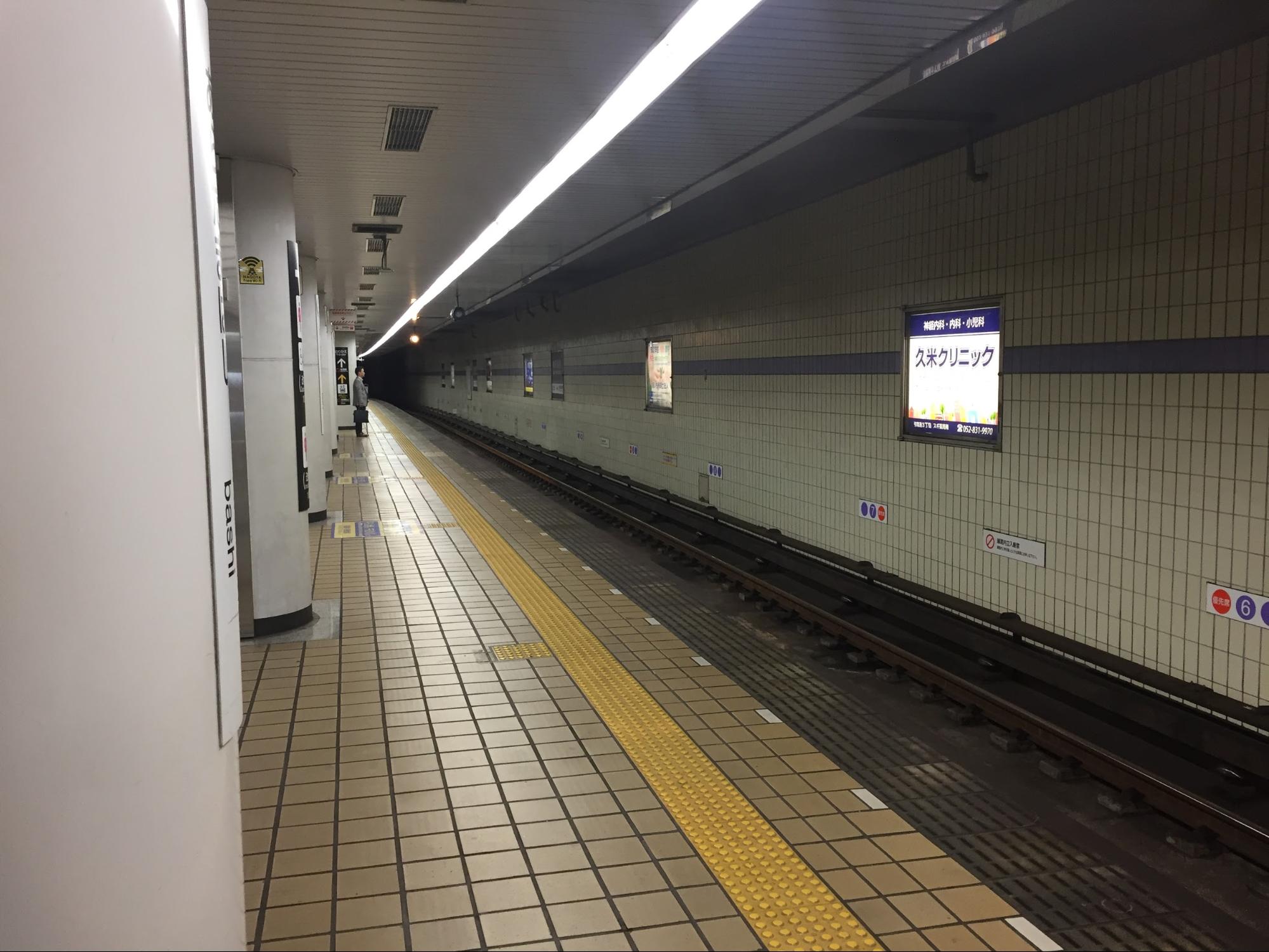
So many types of public transit! So many trains. Brought me back to my childhood love of them. I wish for such transportation back home.
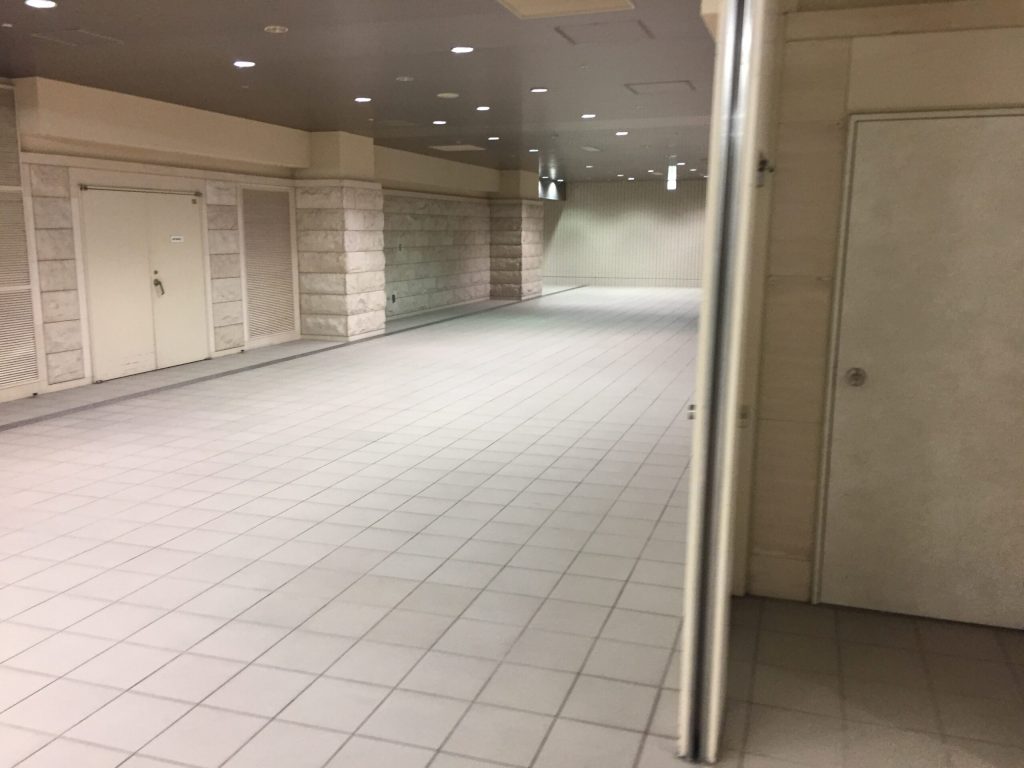
The decor and technology in Nagoya, and I would guess other parts of Japan, can seem delightfully old and rickety. It’s the edge of the future in some ways and dank ’80s beige elsewhere. And tiles, tiles, tiles.
By now, you may have heard of sonder, from the dictionary of obscure sorrows. Maybe it’s trite to bring it up in a travel blog, but I felt it. From my journal:
This place is always existing.
All these people and their full lives.
These strange places, new to me, are part of a humdrum everyday for them.
It’s odd how odd it is and isn’t, to be here.
Sometimes there’s comfort in being a nobody among many vivid nobodies, each wending a way through as best we can. I had a sense that something about the language barrier of a new place can reduce the anxiety social structures create. If I’m caught up in asking how to get from A to B or ordering a bento, I probably don’t have quite the cultural competence of sensibility to power structures over me or the nuances of identity, other and self, which can overwhelm a habitual ruminator. I don’t even think it’s running from your demons to novelty. It’s just a breath of fresh air.
The ride to Audrey’s had us snagging glimpses of the big stretching world through the train windows. The feeling of the mundane, people’s homes, where they grew up, is hard to explain. It’s a good feeling. And a sad one, that I’ll never natively understand any culture except the one I was raised in. Audrey was recounting some aspects of Shintoism, and I wished I had a hundred lifetimes to experience these things as intimately as I did my family’s religion and Americanism. It was kind of nice to be away from Christianity-based culture for a while.
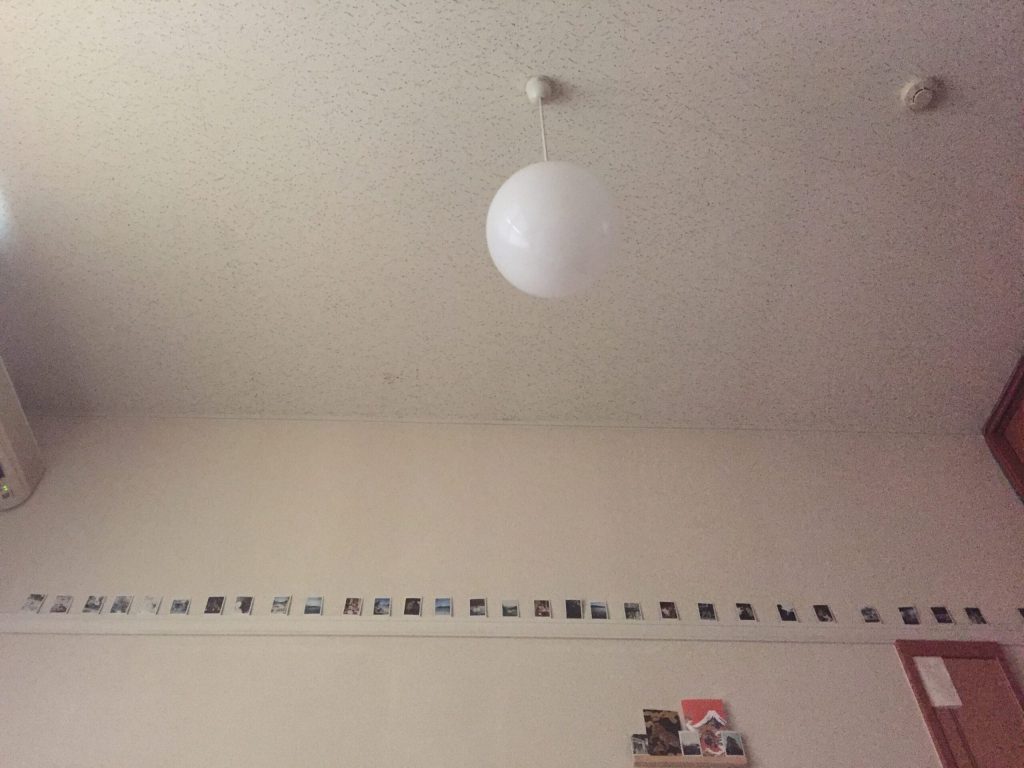
Audrey’s place feels like a classic Japanese apartment, even though I have no basis for saying such a thing. It’s tiny. One room that fit me and Nate on the floor and Audrey on a couch. A loft that was too hot to sleep in, even with AC. And a little hallway with a sink and bathroom kinda just squished in there. The first night there, the idea of moving to a place like that felt claustrophobic, but in the morning with us all lying there in the living room and the sun coming in, it was cozy.
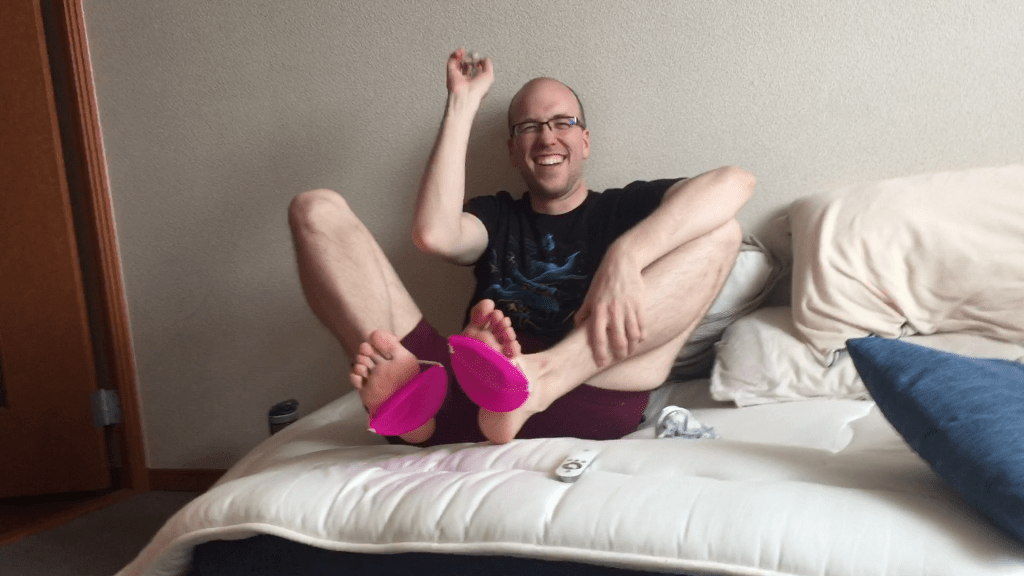
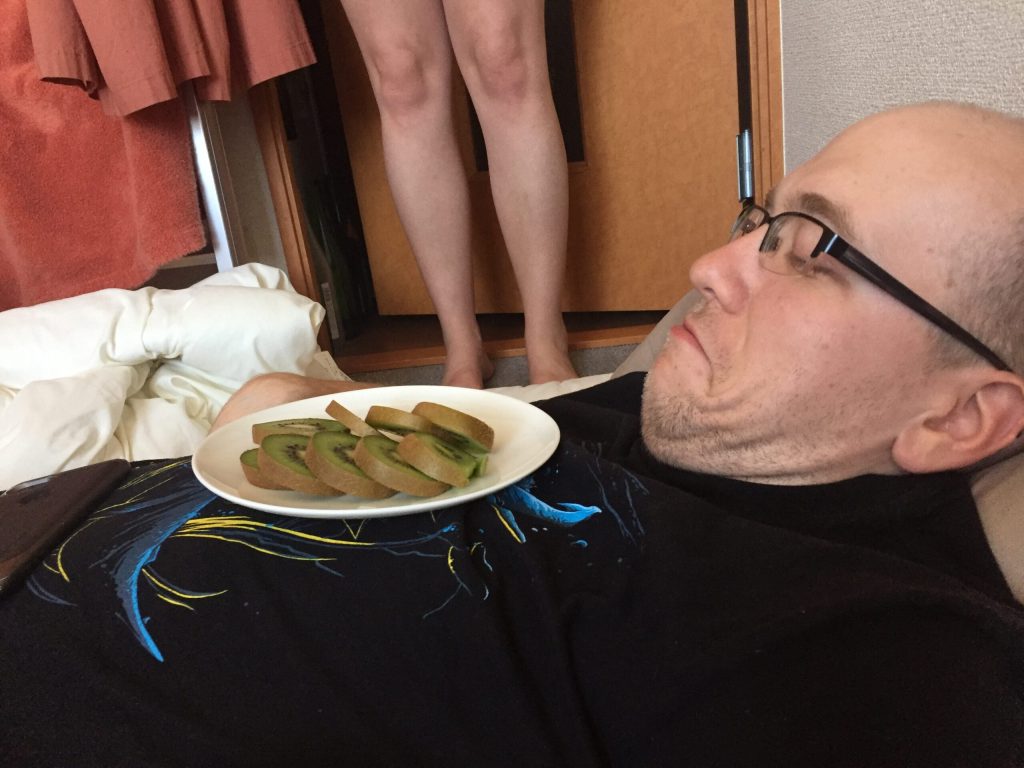
Had to negotiate with anxiety a fair amount during the trip. I was concerned that my nerves would interfere with making the most of it. Part of it was being halfway around the world for the first time, but there was some preexisting anxiety stuff too. You might see it coming out in paragraphs of existential reverie here.
Either way, I remain impressed by Audrey’s bravery and comfort, moving there to live and teach. An inspiration.
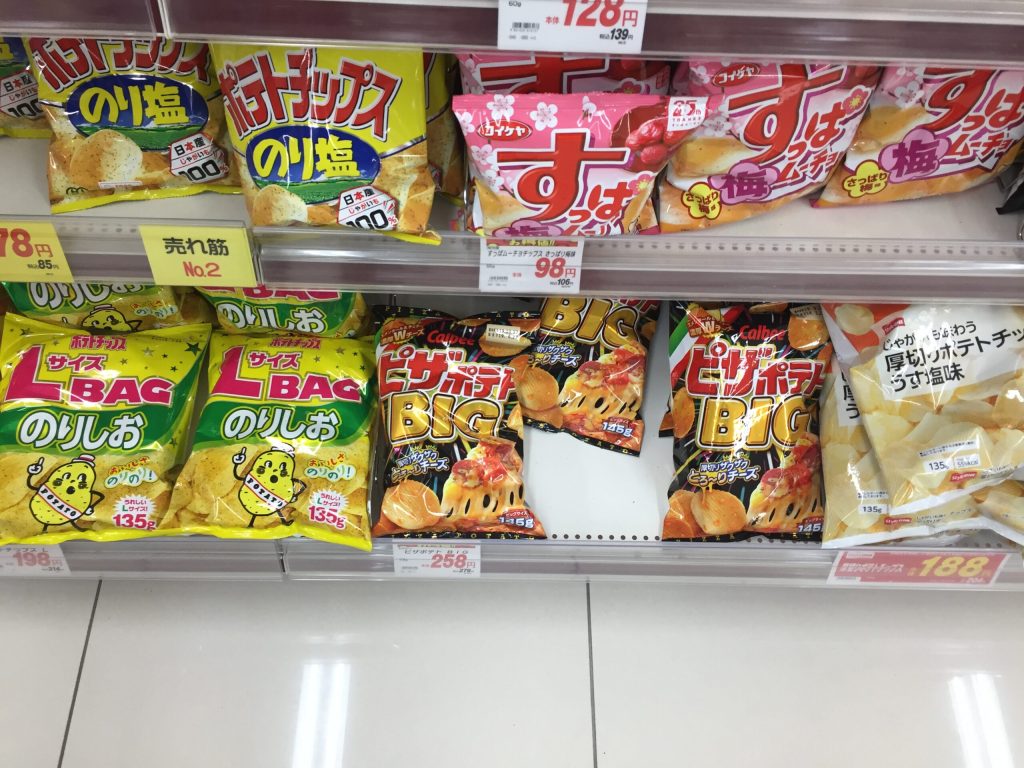
We stopped in at the grocery sometime after arriving. I know some Japanese vocabulary, but I was unable to read the signs and all the food packaging at the store, and it increased my resolve to come back after a little more schooling. Had a rewarded sense that I wanted to be doing the thing more constantly. Seeing things, in new places. Pushing my own envelope. Not to be drawn down into a little tunnel-vision world.
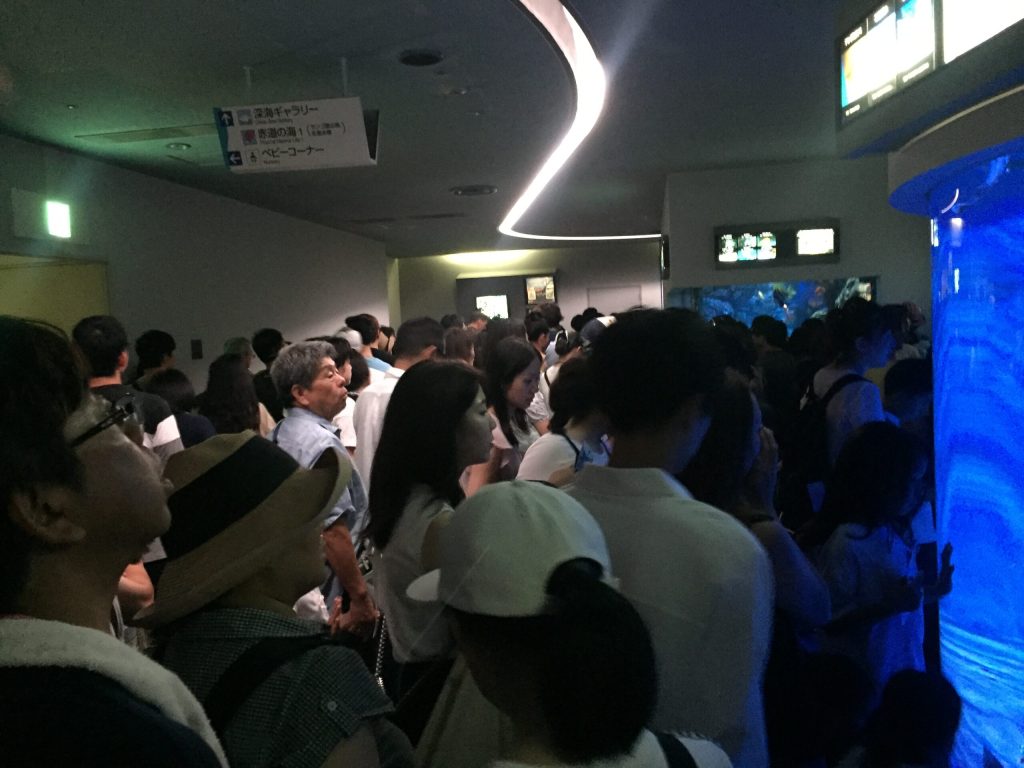
We went all together to the Nagoya aquarium. I’m interested in how the concept of personal space might be different there, or if we were merely victims of a crowded day. My feet were stepped on a lot (mostly by kids), and I don’t think I ever heard a word spoken to me. I joked that as a Midwesterner in Japan, I was always saying, “Ope, sumimasen!” I even did so out of habit after we returned to the states.
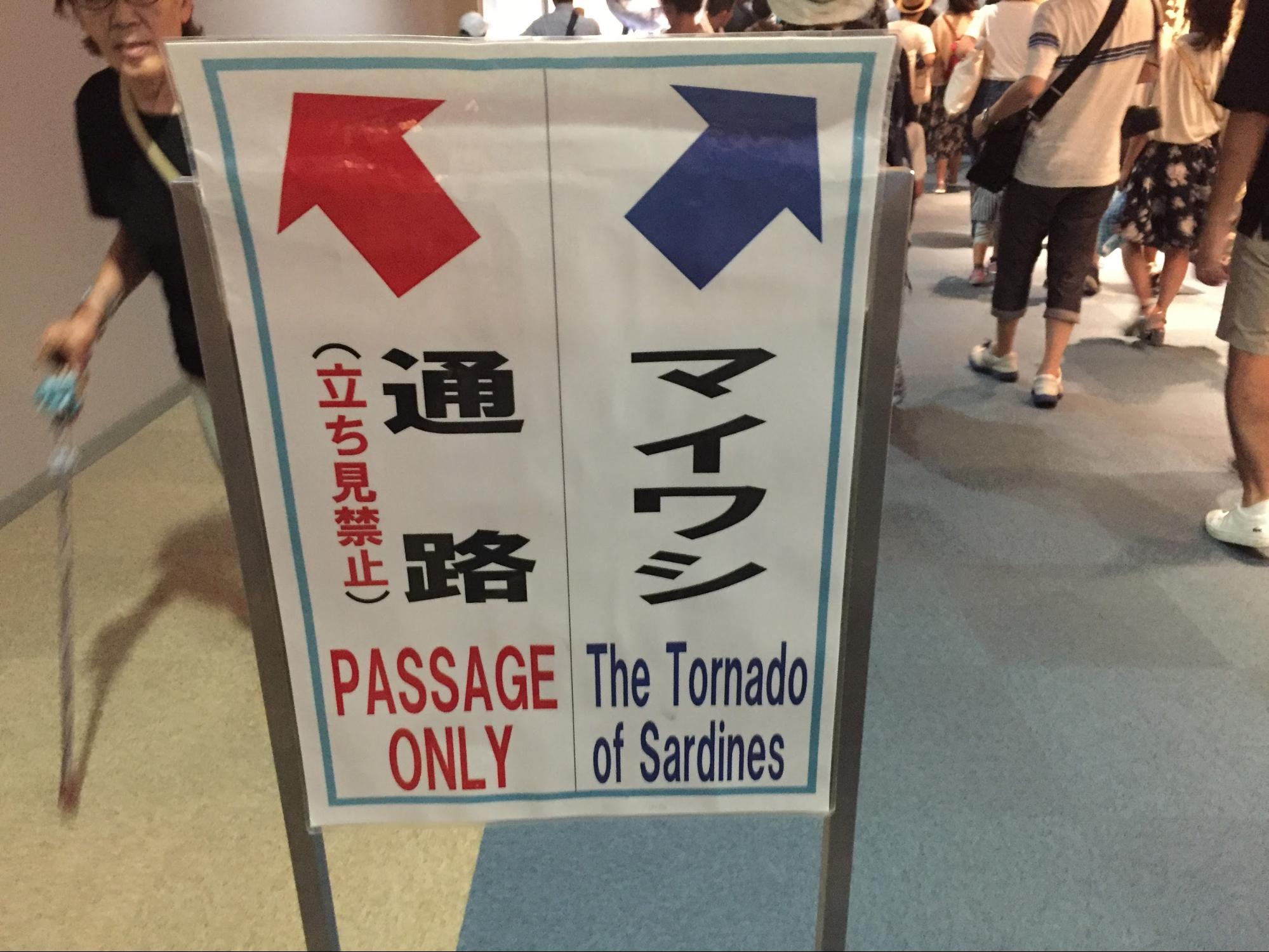
Nate and I, while watching a killer whale swimming along the bottom of a tank, joked about a skating simulator game where you’re just a blubbery whale in a rounded pool, and the grinding sound effects are of squeaking latex rather than wheels on metal.
There was a big-ass scary crab. We tried taiyaki afterward. (I didn’t take a picture.)
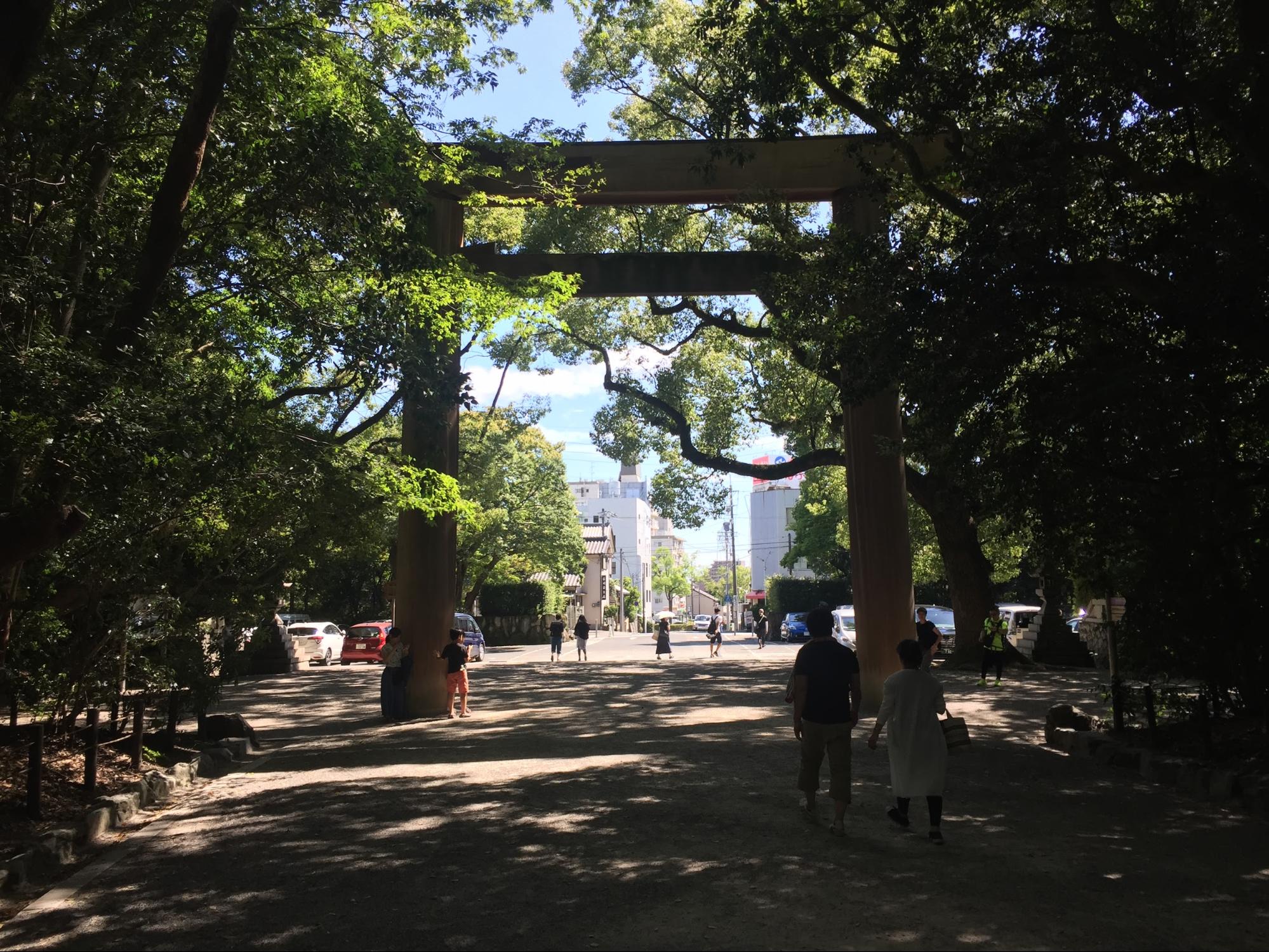
Our next trip was to a shrine. I’ll let my journal talk for a bit:
Feeling solemn, sad. Full of fleeting poetries I could never recapture. We sat down by a pond and I was buried in heavy thought. A pigeon came and pecked my toe and I was filled with an affection for this small creature. Nate noted it was odd he resented pigeons so, but loved crows. They’re smarter. And it made me love the pigeons more. What’s the harm in being dumb? I am glad they are here, and add their texture to the world. There was a cackling rooster here too, perhaps the first time I’ve ever heard one. An absurd creature, and how delightful.
On competitive spirit: That which eats, lives on, grows strong. The taker, the shaper, who carves paths, commands love, wins. Who we loathe and who we want to be. That which nature rewards. Humans and their bizarre idol, beauty. We are creatures which learned to love things nature does not reward, and so we are always torn.
This pond, so thoughtfully crafted, stones and plants and a bubbling filter placed around it, a great hut floating over it. Our control over our surroundings is amazing. I wonder at a supposed principle of passivity. Of not carving up the world. Of letting it act on you. Of drowning in cause and effect and dropping the burden of ego. Perhaps it is truly better just to be that which takes, wins. What harm is it in the end? But that is not me. Or else it is buried deep.
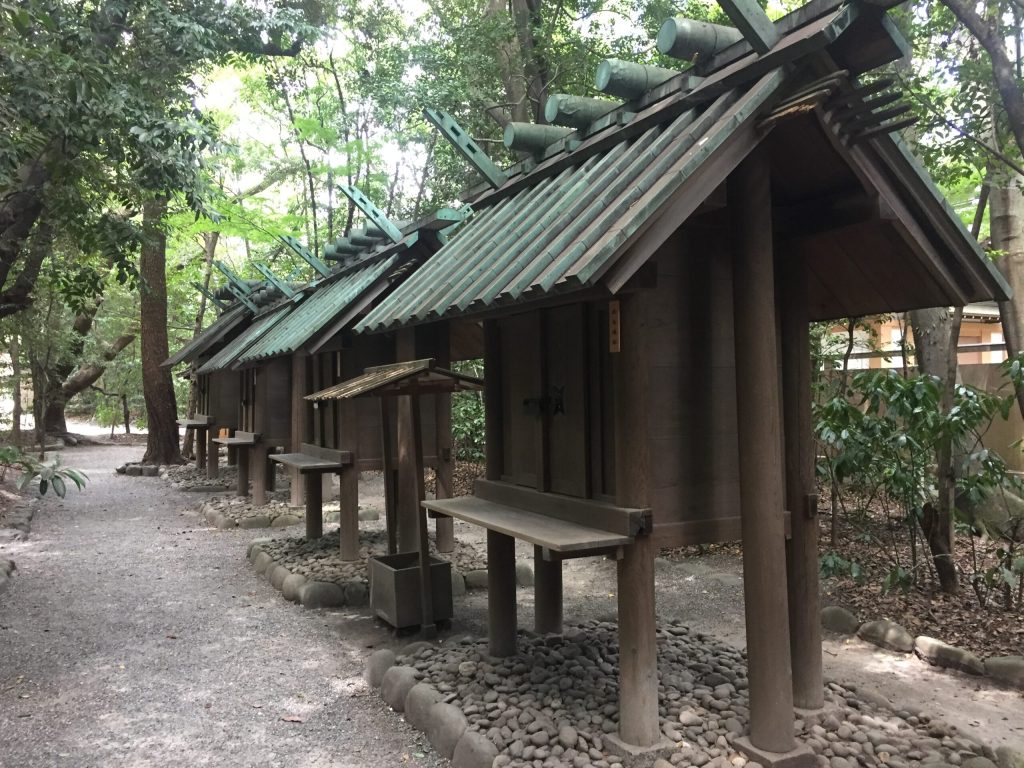
We’re at a shrine with an important artifact of shintoism, and I wouldn’t have understood what the visitors were doing if I hadn’t been given information by Nate and Audrey before. They threw coins, clapped hands, and prayed. I wanted to watch but felt rude. I was told I could participate, but I did not feel able. I witnessed worship of a thing I did not understand. I remembered the comfort of the act, thought of the human needs and fears it eases, wondered at the complexity of history I do not know. We found little boxes with inscriptions; I did not know their purpose. There was a water trough with a bunch of ladles; I did not know its meaning. All this and only one life to live.
There’s a big tree here. It’s decorated and honored with paper prayers and it’s what everyone takes pictures of. And then are a few smaller, unremarkable trees fenced off around it, unregarded. The big tree has the spirit of the taker.
I knew about the impact of American culture on Japan, by cultural export or conquest, but it’s odd to see it firsthand. To see the interplay of culture over time, like friends (if we’re optimists) picking up each other’s mannerisms. I have freedom to move about in a strange, distant place, in relative safety and comfort. We live in an odd new era of sharing hitherto unseen by the world. A long period of transition that we could live our whole lives without seeing the conclusion of, which makes it hard to fully see, and contextualize in the grander narrative. Been really dwelling on causality, if you can’t tell.At the aquarium, they had an animation of how a dog-like land creature adapted to a whale over eons and eons and eons. I feel the smallness feeling of being a minuscule link in an endlessly long chain. A chain that leads to big, real changes that we’ll never see. The chain must be unbroken for all the future to unfold, and so the breaking and the making of it are such cosmic acts in the end, for some of us. Who? Whose legacy is “important”? Who knows?
I spent a fair amount of time in Japan on my own, just walking around. The scale of streets and buildings feels different there, somehow. Smaller. Closer. Cuter.
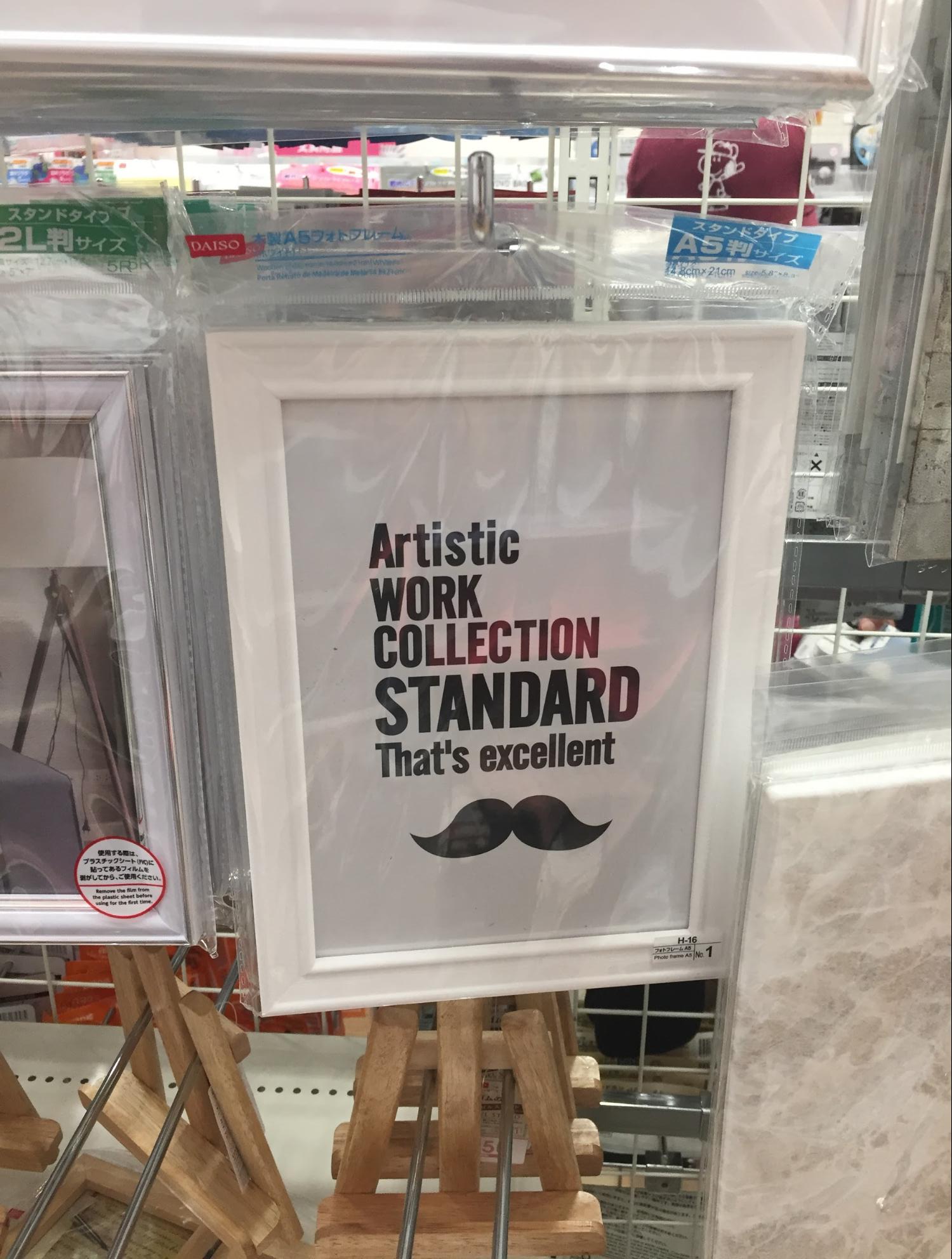
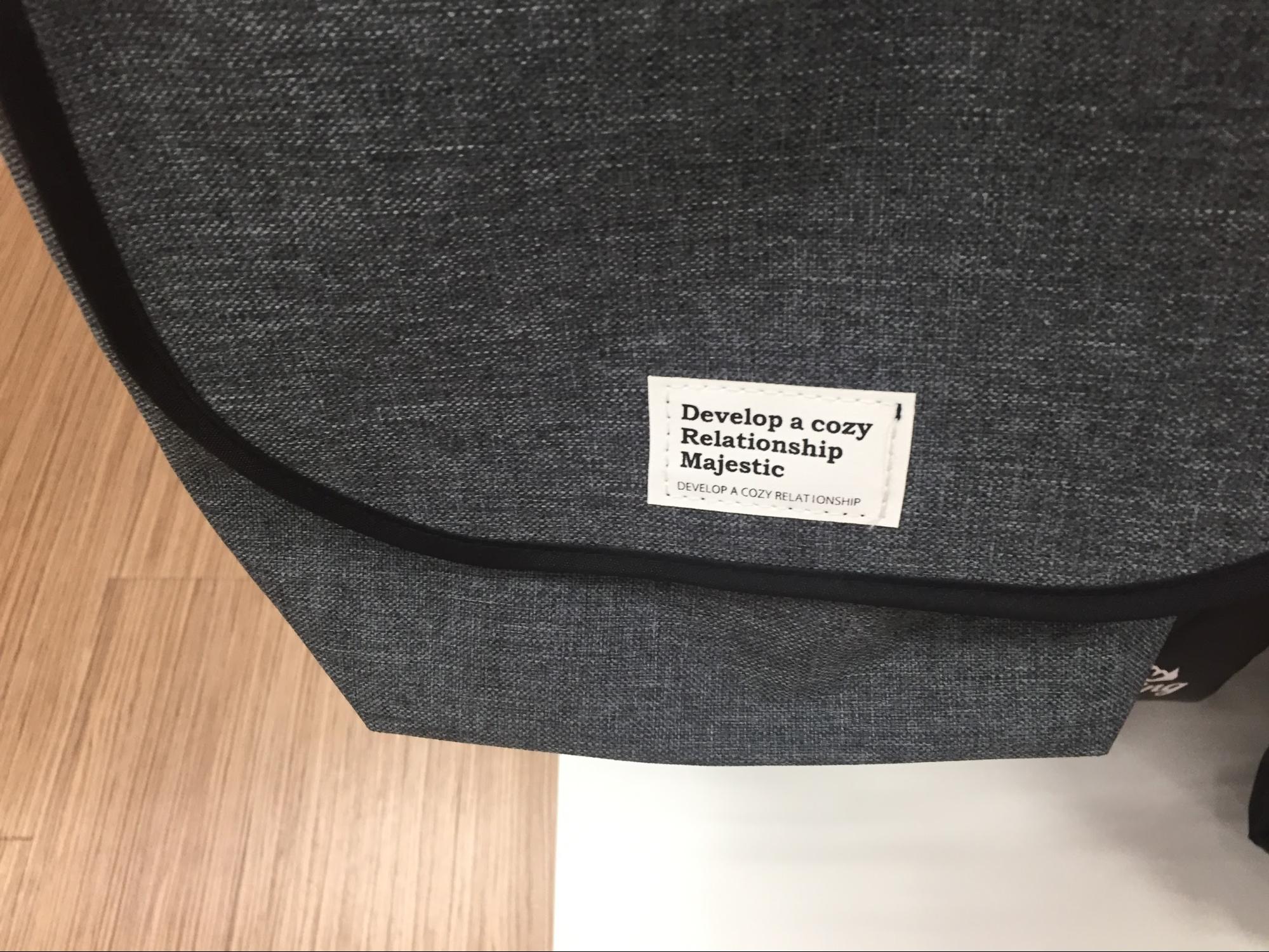
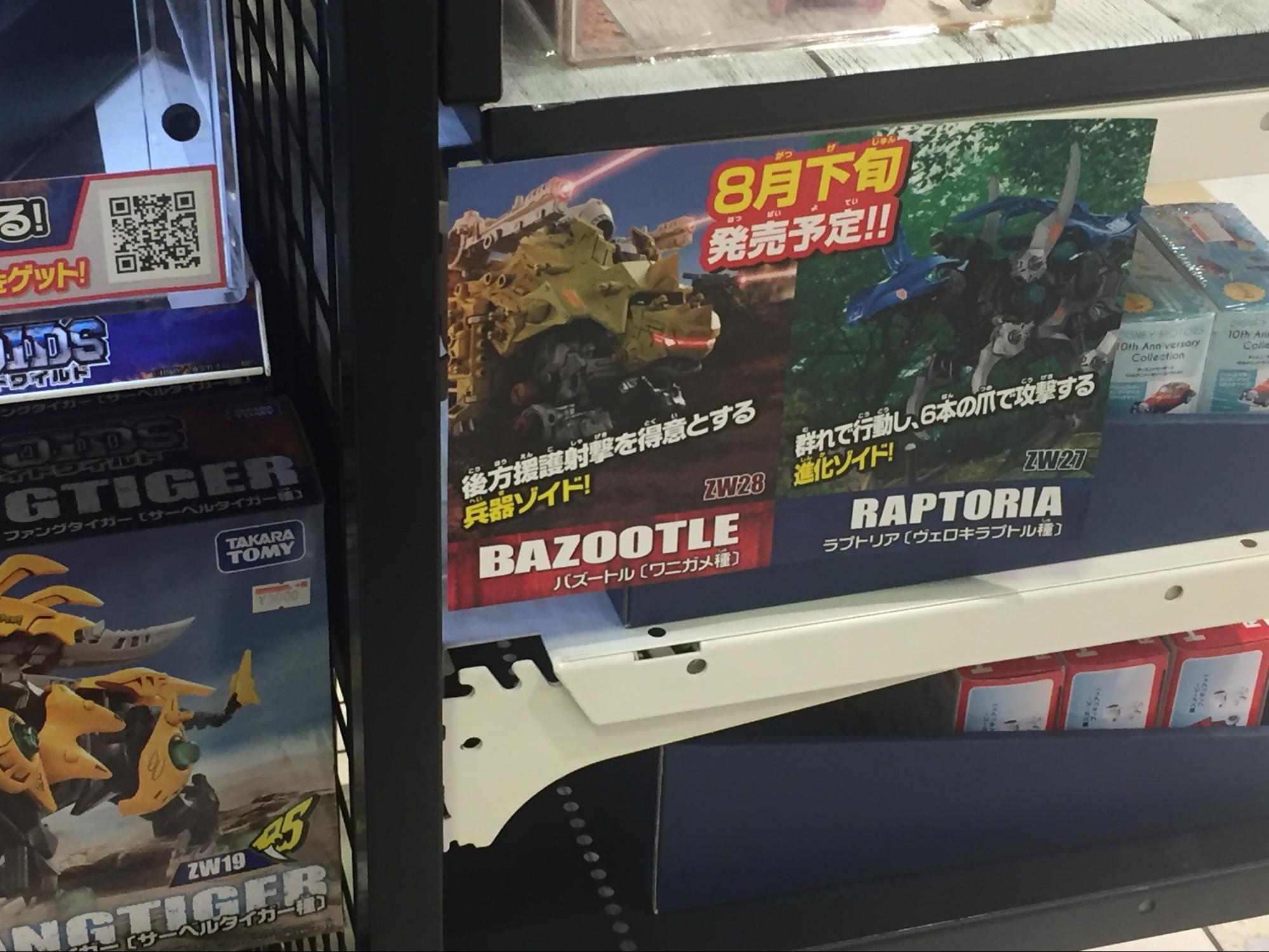
The thing really seems to be English text on clothing and bags and toys. I don’t recall seeing any shirts with Japanese on them. I wonder at what it would be like to have a foreign language be so ubiquitous. I invent the impassioned academic discussions of cultural colonialism that must occur in Japanese universities. So much of the relationships America has are asymmetrical in some way. I want to understand what it’s like to be on the other side of the culture coin sometimes. To not feel like an imposition, the one whose language has been exported and who doesn’t have to make as much communication effort. It’s like traveling around on a litter.
I also want to sense what’s funny about the very bad puns. It’s like there’s another language in there, something between Japanese and English. Some mechanism of thought makes these phrases worth printing on things. Or maybe it’s just random nonsense, like song lyrics.
I have this feeling of other cultures being perfectly themselves, not in that they are better than my own or literally perfect, but that their variety and idiosyncrasies are to be relished. I’m so happy that a chain of realities led to Japanese culture, even down to which sounds their native language doesn’t have. Delicious difference.
Audrey took me to the Osu shopping district. I could have spent a lot more than I did, but rationing out cash isn’t something I’m used to anymore as a card-wielding Millennial.
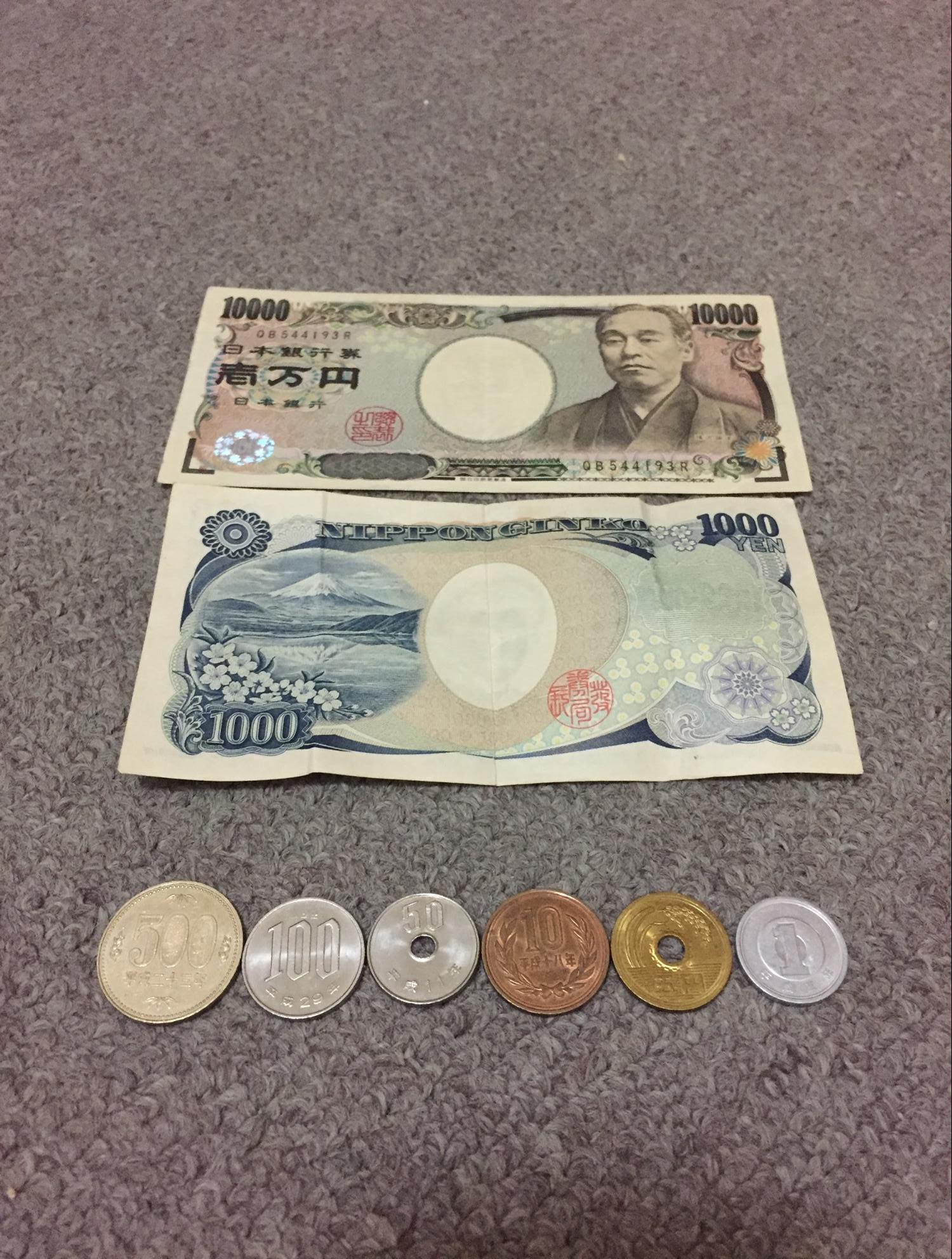
Everything is cash-based in Japan, and I have to use an international ATM to restock. It’s really fun, actually. The tactile experience of money was an unexpected resurgence of a forgotten memory.
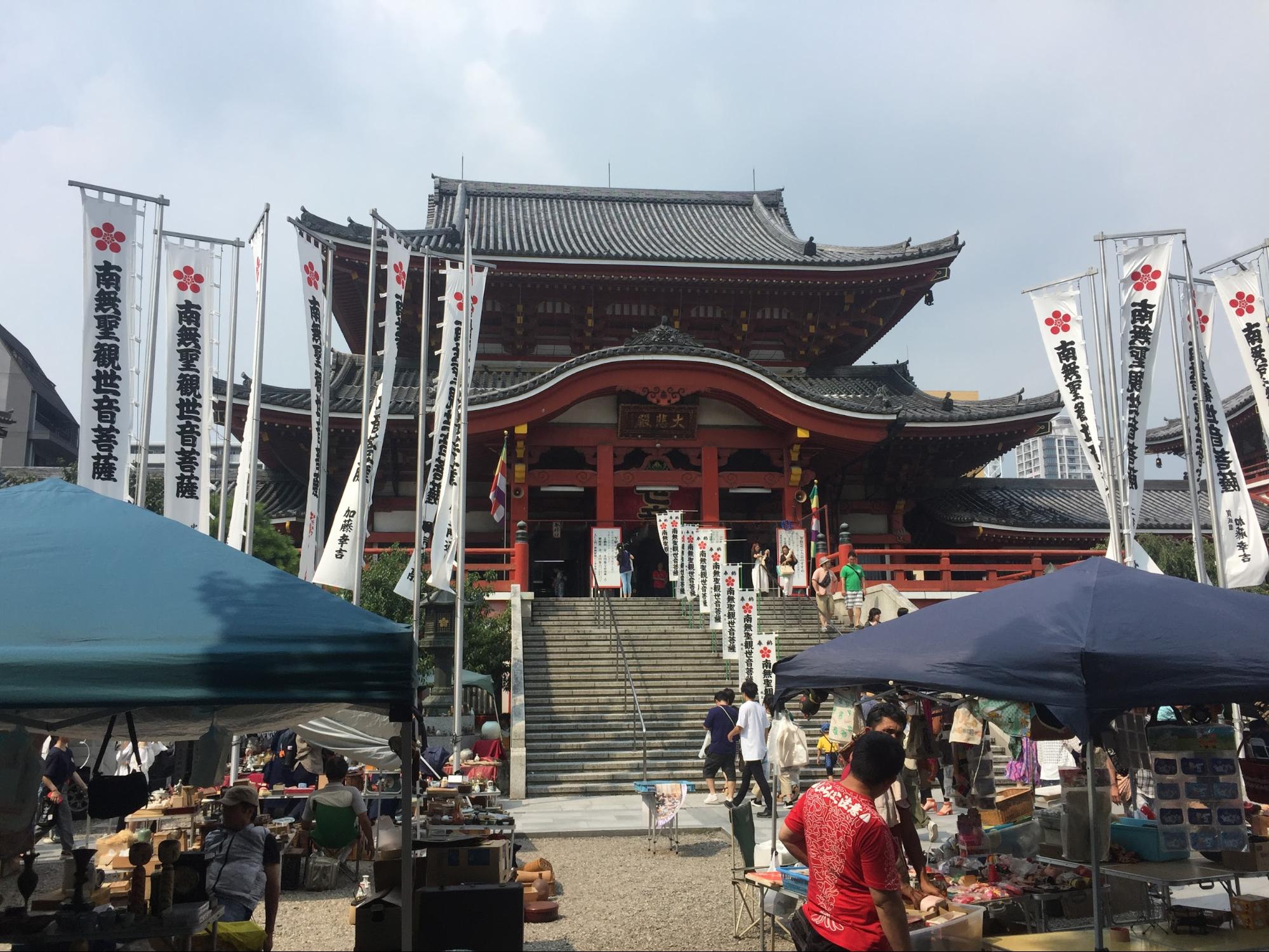
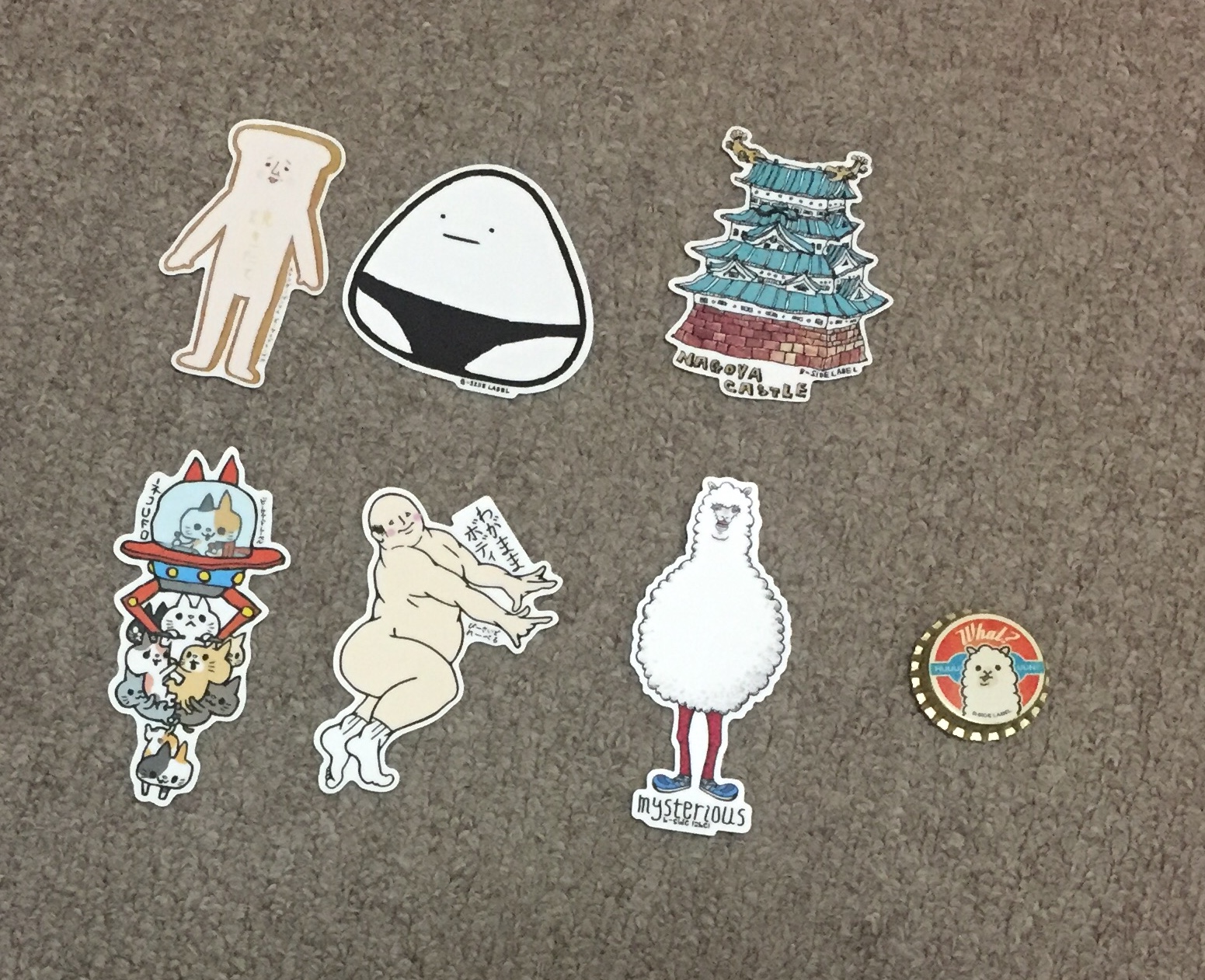
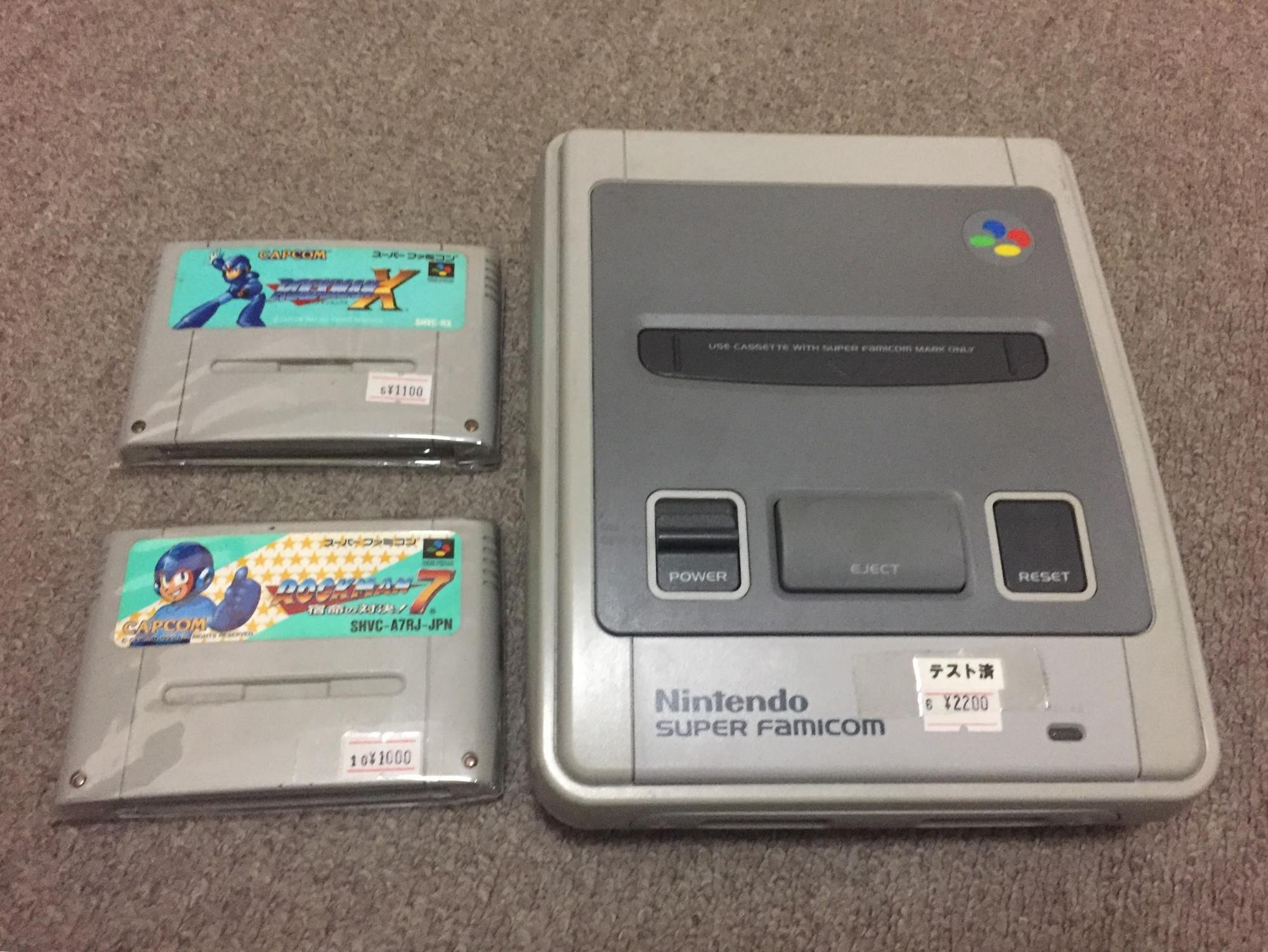
When Nate left (his trip was half as long as mine), I had a weird moment in the subway. I had stayed on a bit too long and had to hop off and go back the other direction while the doors were still open (I can still hear “tsugi wa, aratama-bashi, aratama-bashi.”) so our farewell was a bit brief and unceremonious. I was underground in a country halfway around the world where I didn’t speak the language and I had nobody I knew with me. It was awful and thrilling, for a moment.
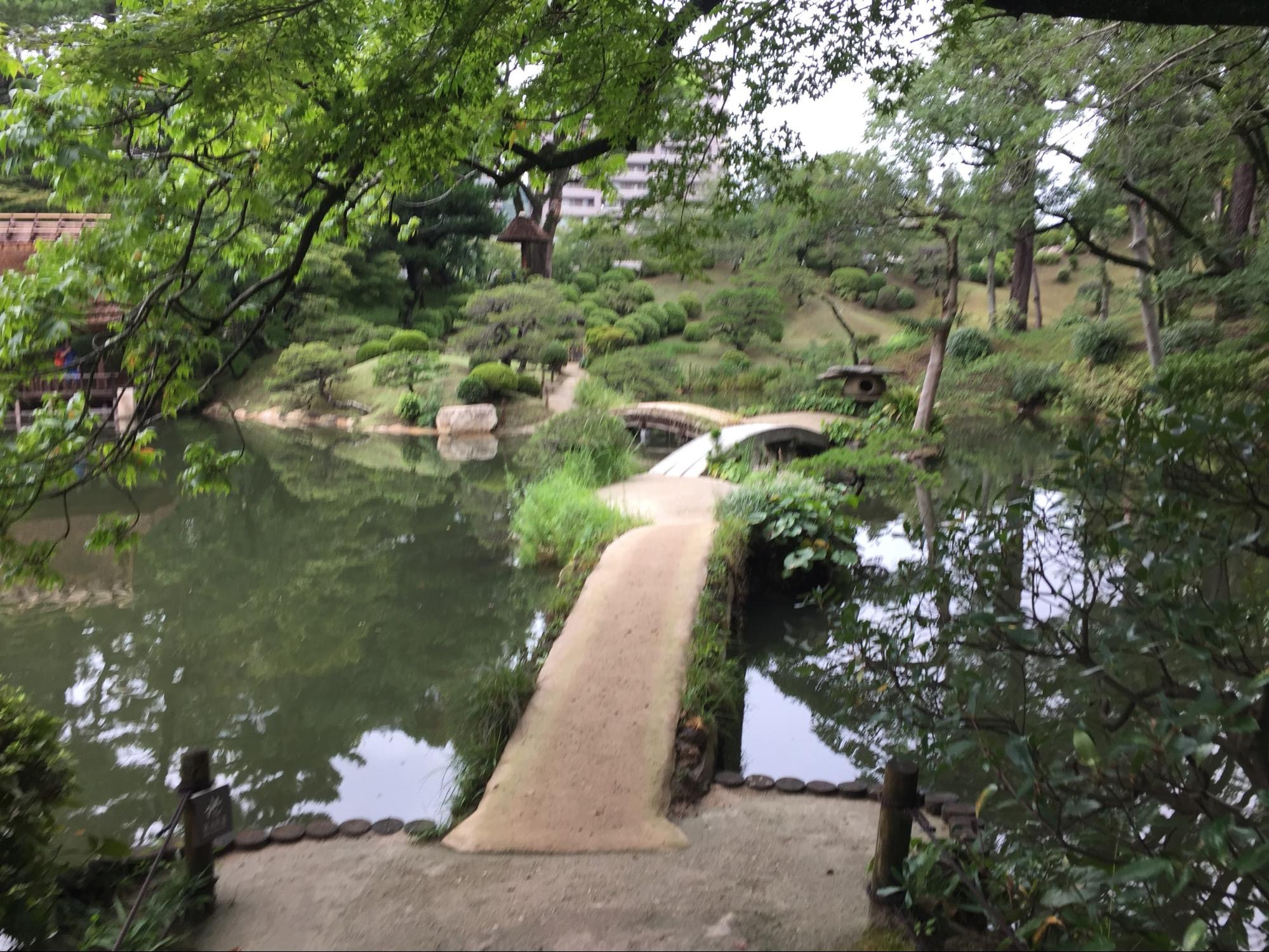
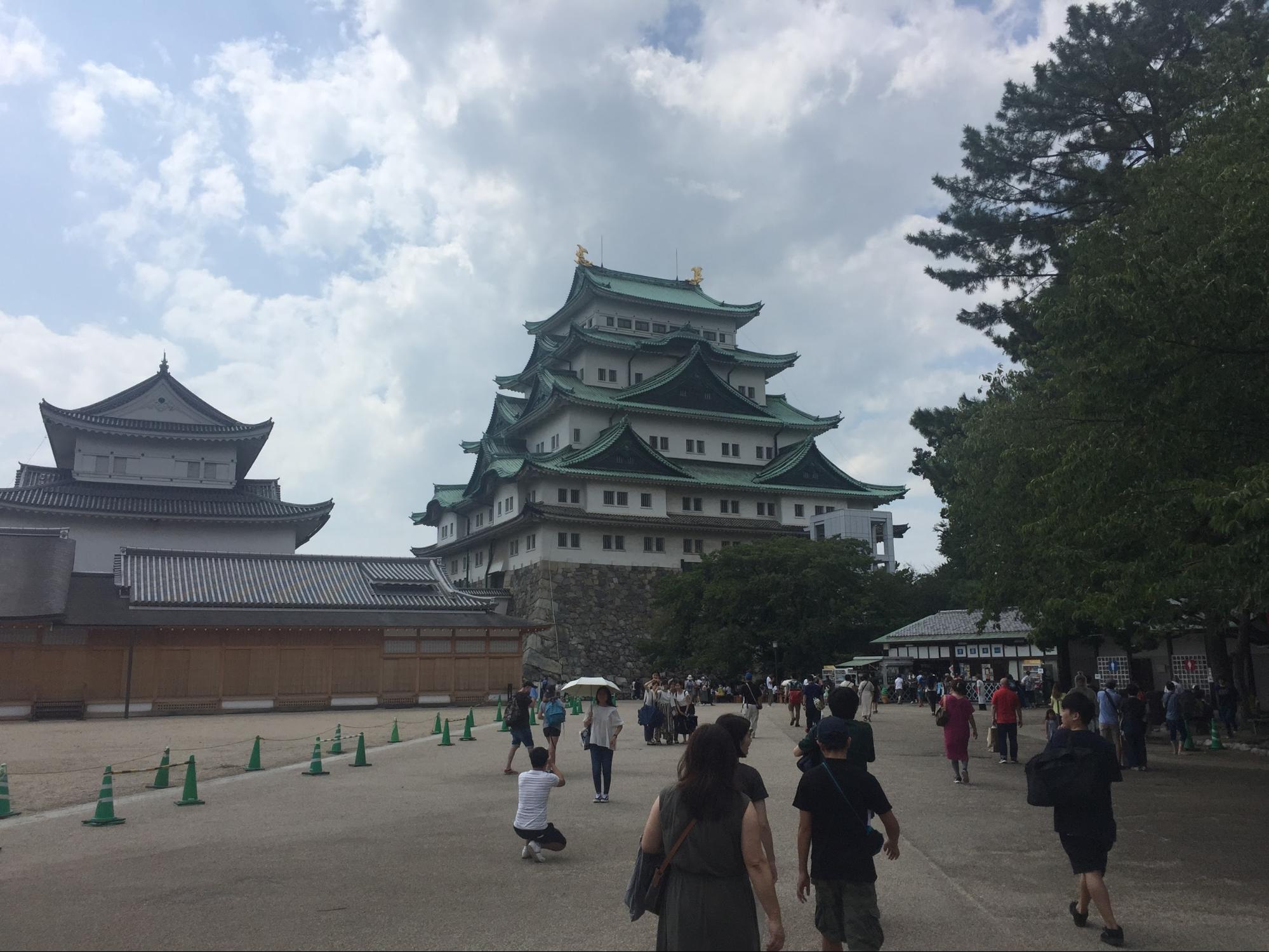
A typhoon came through and canceled our plans for the Tokugawa art museum and garden and a holiday festival. Nagoya Castle was also closed to entry, but the outside was nice. And I later was able to visit on my own.
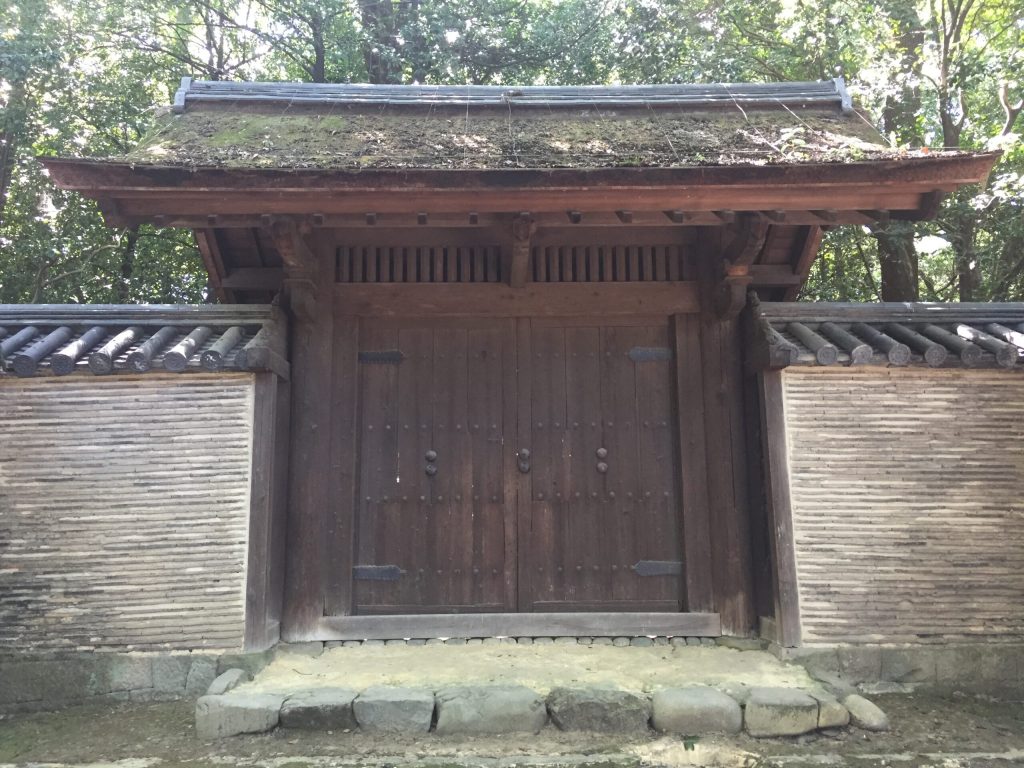
Such craft even hundreds of years ago. The museum having things from the 1500s made me realize the art museum at home couldn’t have much really to show of old culture not borrowed from elsewhere. I wonder what it’s like to have thousands of years of continuous-ish national identity at your back.
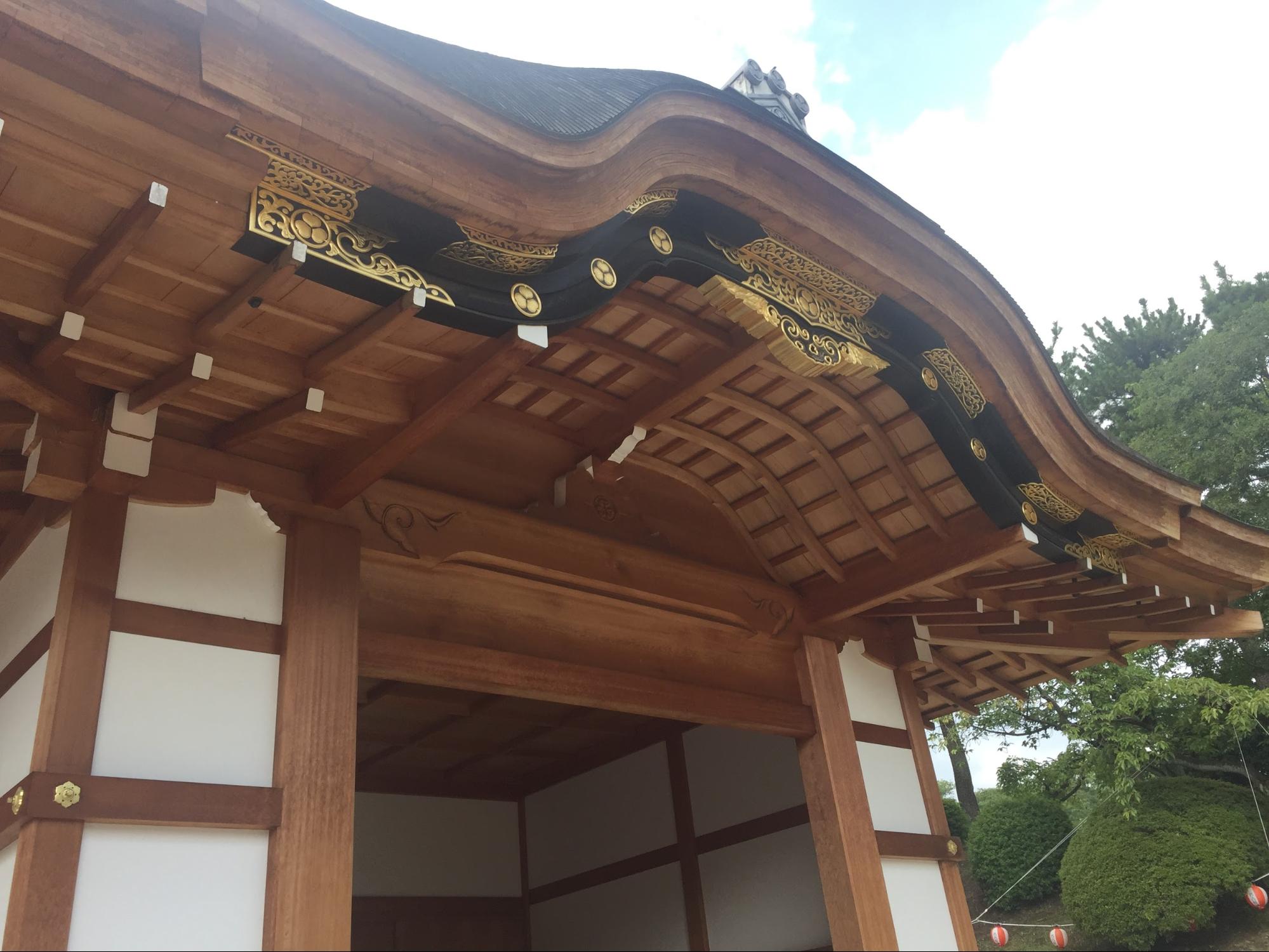
Also had this feeling at both the castle and the museum that power and wealth are absurd. The elaborate palaces with such intricate design in the roofing, the gigantic platforms underneath literal castles, built up out of stone by manual laborers, the sheer power the kings of the past have somehow wielded. Sort of galling. Such opulence and control.
So many nameless people in the museum battle paintings. Be braver, take the risk. You won’t be remembered either way.
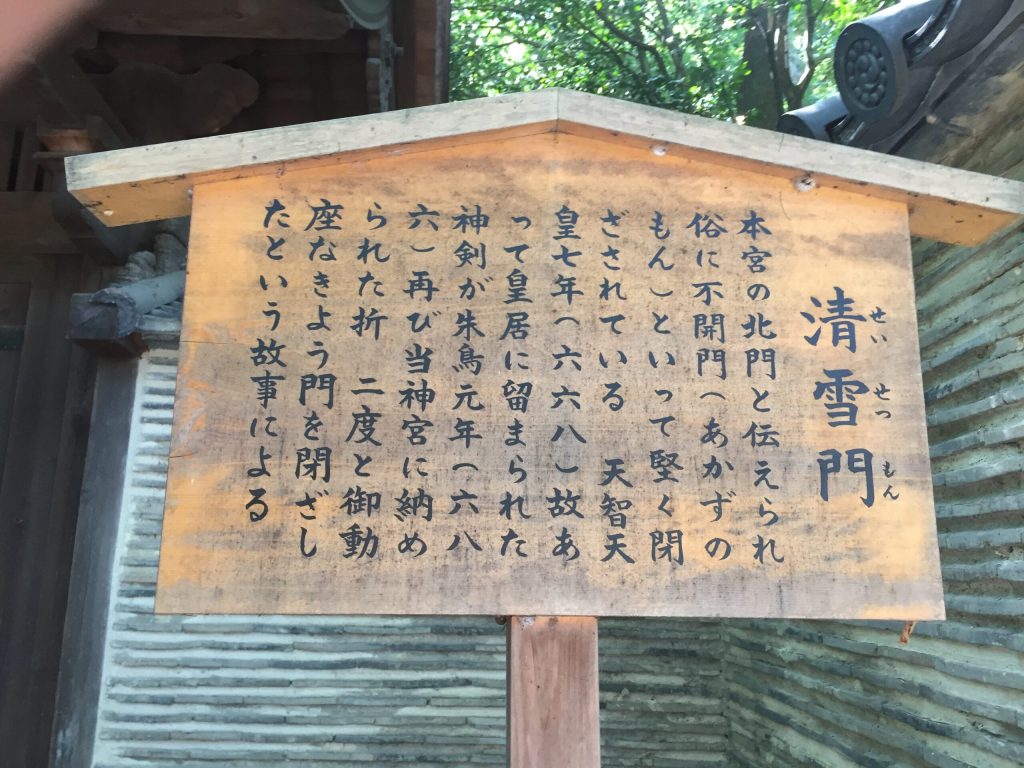
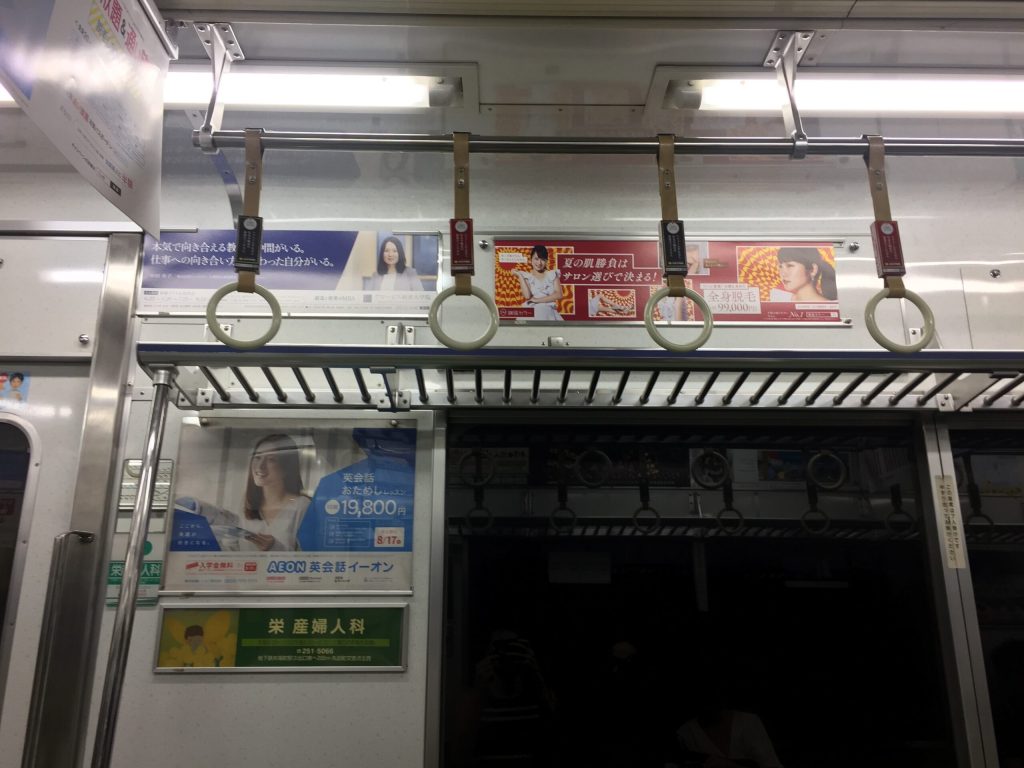
On a nerdier note, I also did some wondering about the Japanese cultural influences on video games, like Miyamoto making Star Fox from torii gates, seeing Sonic in the ring handles on the Subway, the very Japanese house-shaped signposts, castles elevated above the ground like in the latest Mario and all the battle paintings. Makes me wonder what would stand out to Japanese people about Western games, and whether there are more explicit, mundane things for us designers to draw from.
What would Japan would look like without American occupation? Without the internet? We have geopolitical and linguistic lines drawn between us, but exchange is always present now. We are more a contiguous mass of people than we suspect, but there still seems some utility in drawing rough lines to prevent homogenization. There’s balance somewhere.
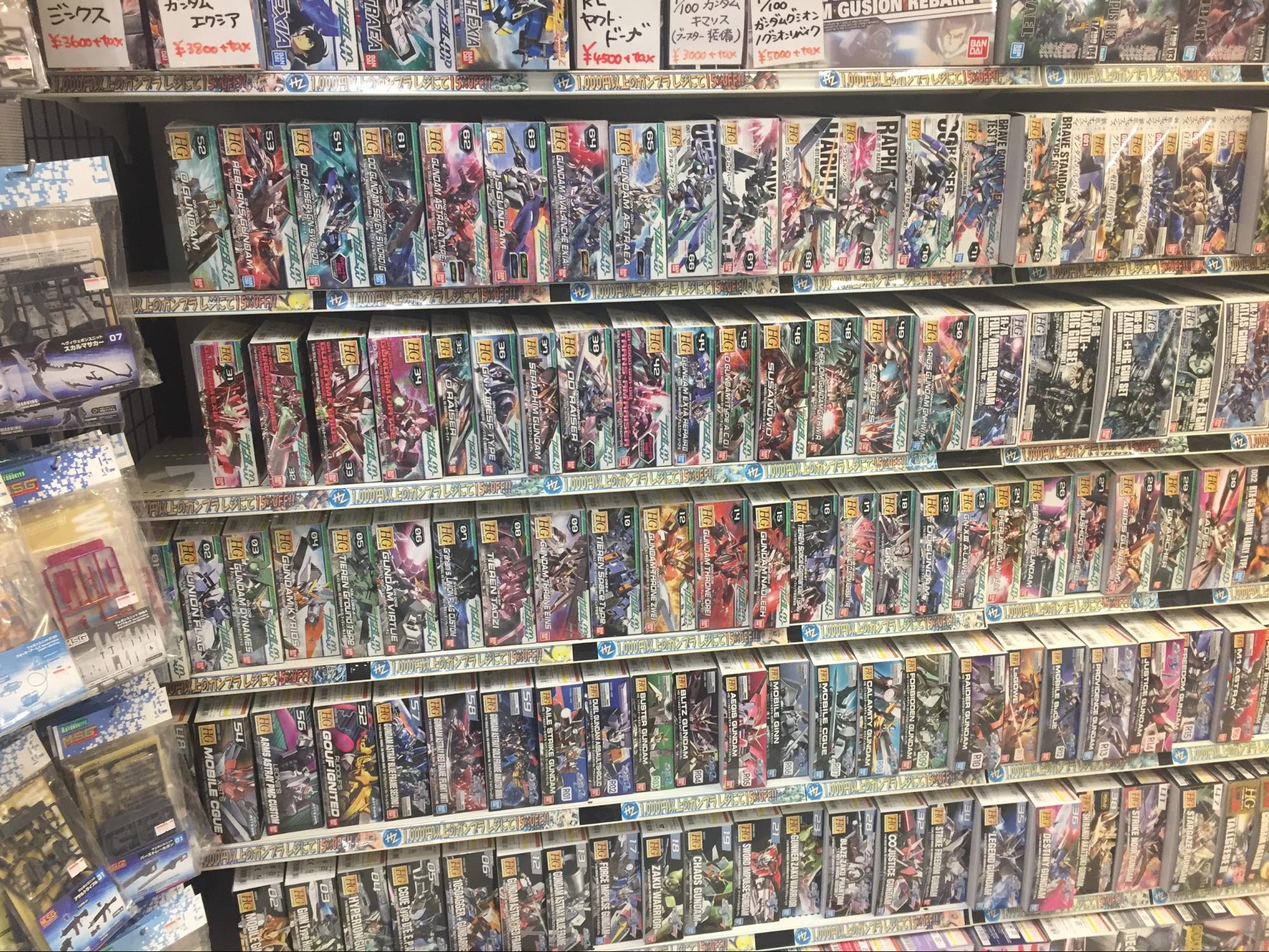
Japanese graphic design is also different in some difficult to articulate way. More dense. Super interested in how history and writing systems affect that. Maybe there’s a Master’s thesis in here.

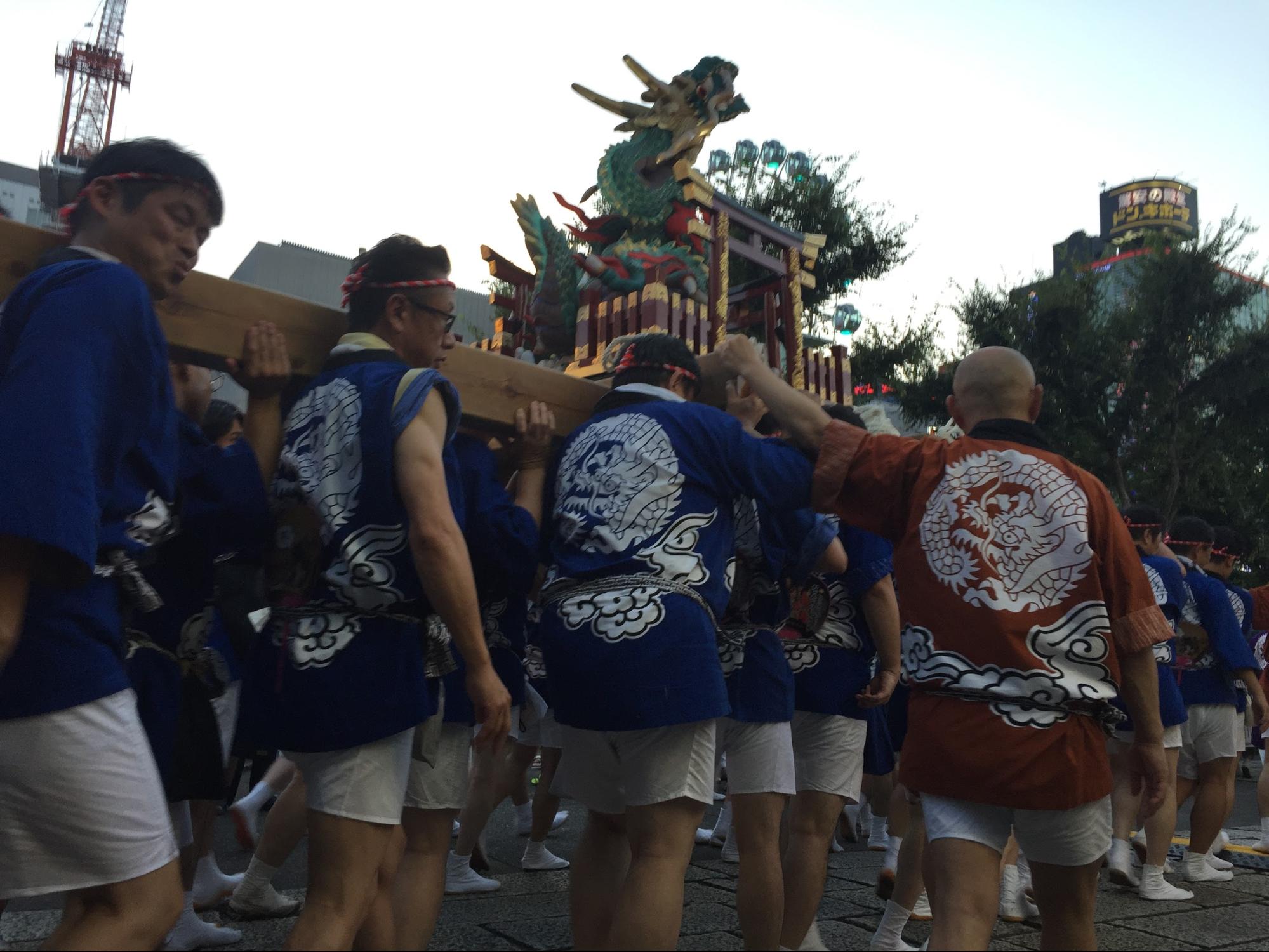
Audrey and I ended up at a festival and meeting one of her friends. The dances and taiko put me in an odd state of mind about the most ancient human functions and rituals.

We listened to a band I really enjoyed and was completely incapable of Googling afterward, it turned out.
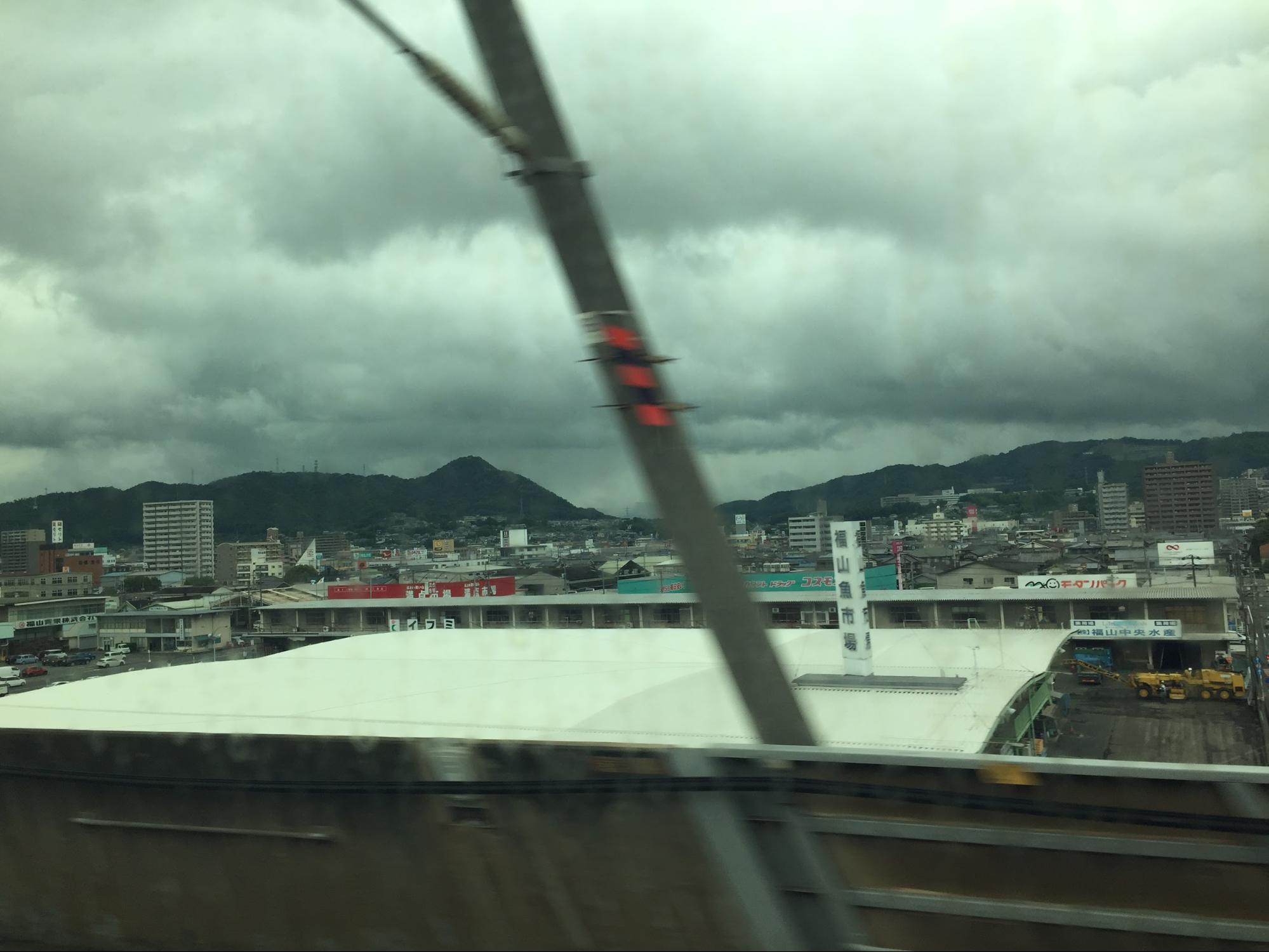
My first bullet train ride almost made me laugh out loud. I did a solo trip to Hiroshima for a few days. You have to buy two tickets with some trains. Something about an assigned seat and also a fare. It was a couple hundo, but took me halfway across the country in a few hours. The train was so fast as to be comical. My GPS was confused. A funny little gift from the spirit of adventure.
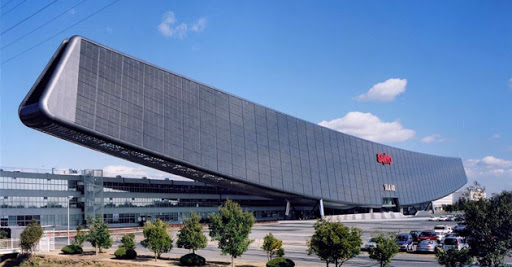
By that point, my brain was automatically pronouncing English words from my train of thought with Japanese-style morae, or syllables.
The first thing I did when I arrived was accidentally walk into what I could only describe as a “sexy district.” I did wonder a little about undoing my own cultural associations and shames, but didn’t meet many gazes anyway.
Here was my first true d’oh moment–I had left my passport several hundred miles (and dollars) behind me in Nagoya. It never occurred to me as a first-timer that you needed that identification no matter where you were. They let me check in to my hostel with a driver’s license “just this once.” Whoops.
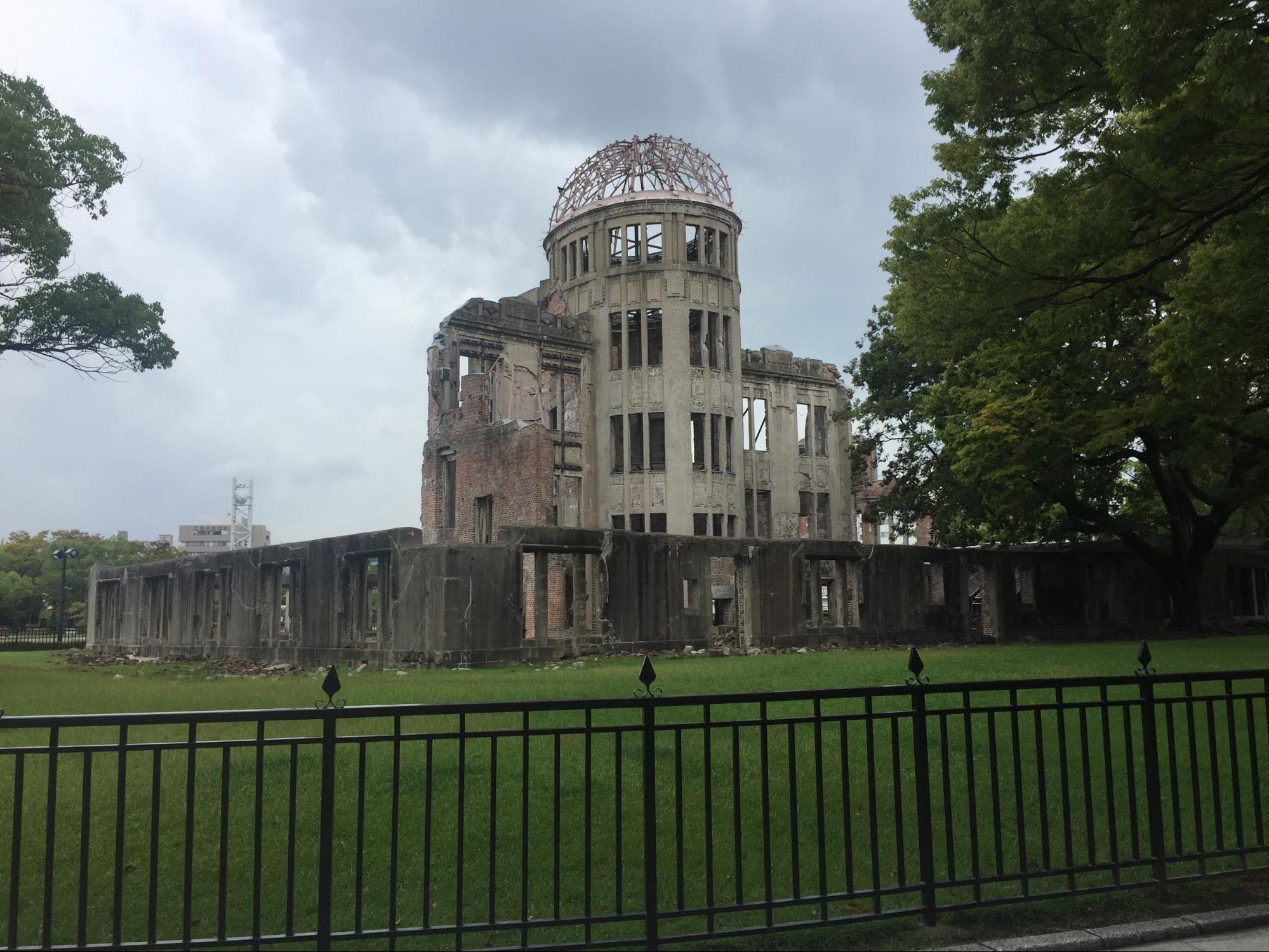
The bomb dome and memorial were very sad. I had expected to cry. I didn’t, but I did well up a couple times. Not much more to recount there with words, since it’s an experience you have in your chest and gut rather than with reason. You should go, if you ever get the chance.
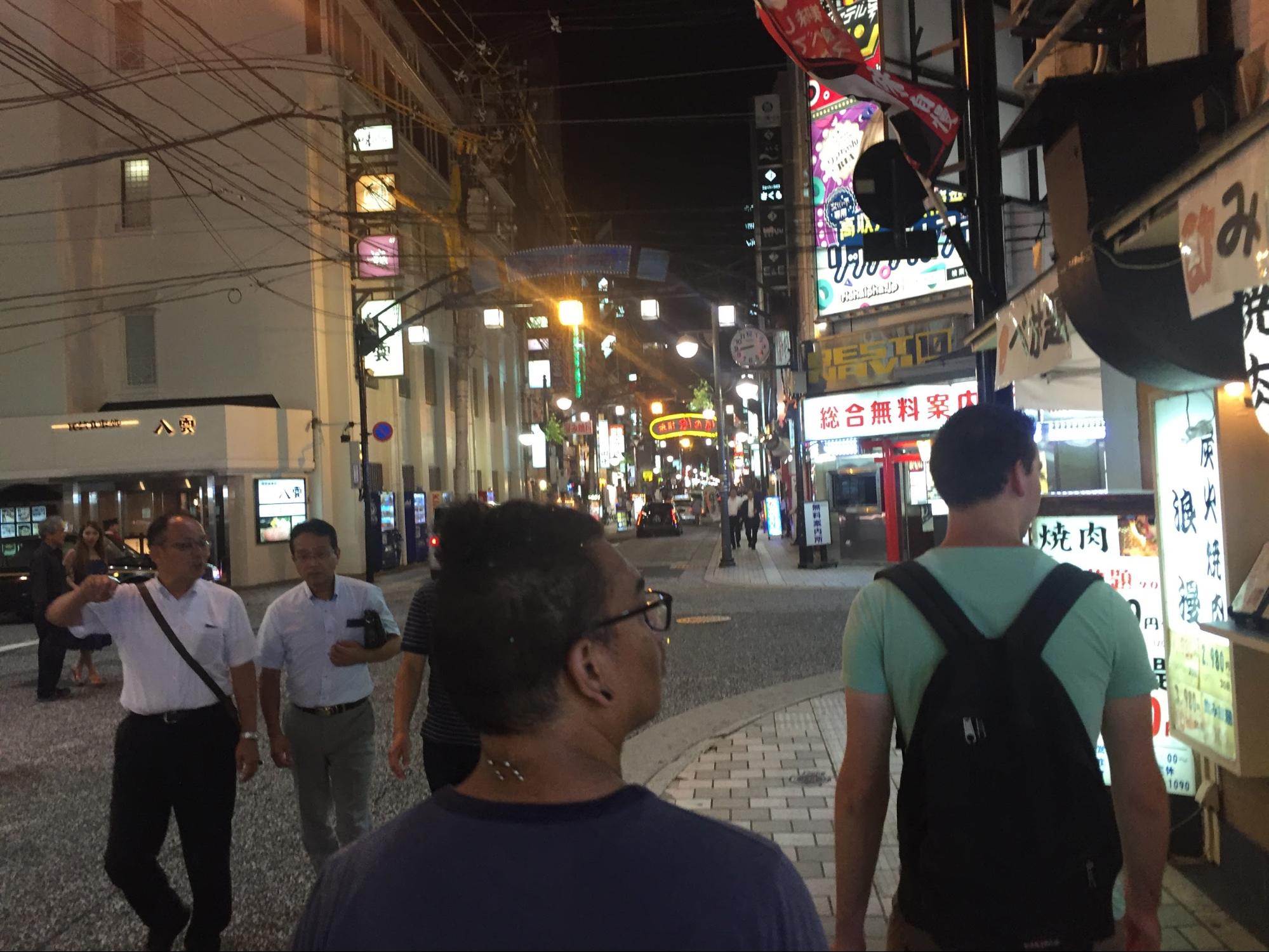
At the hostel, on the second day, one of my roomies (a Dutchman) came in and asked if I’d had dinner. He and I and a third, Australian, went off to find some food. The Dutchman did the thing where he said, “ah” disappointedly when I confessed I was from America. Said I’d taken a long time to grow up when I said I was doing my first international travel at 27. Australian guy and I spent the evening mostly listening to our dinner companion interrogating me about Fahrenheit and imperial units and all the other oddities about my country that are all very clearly things in my power to change and that he as a well-traveled person should really have tired of talking about years ago. He expressly had no interest in visiting the US. La-di-da.
I was glad of the experience. In it, I felt satisfaction and joy at meeting people halfway around the world, making friends with total strangers for a brief time, finding enough commonality to get along, even if one of them had a show to put on. And we had good food (yakiniku, cooked on a little butane grill at the table).
As a highlight of my trip, the next day I met up with an old internet friend. I didn’t know what to expect. Would he be quiet and dignified? Big and loud? Nerdy and awkward? But we met and I instantly liked him. He had just the right charisma and friendliness. He felt like home and fuller of understanding than my dinnermate. We had fun together.
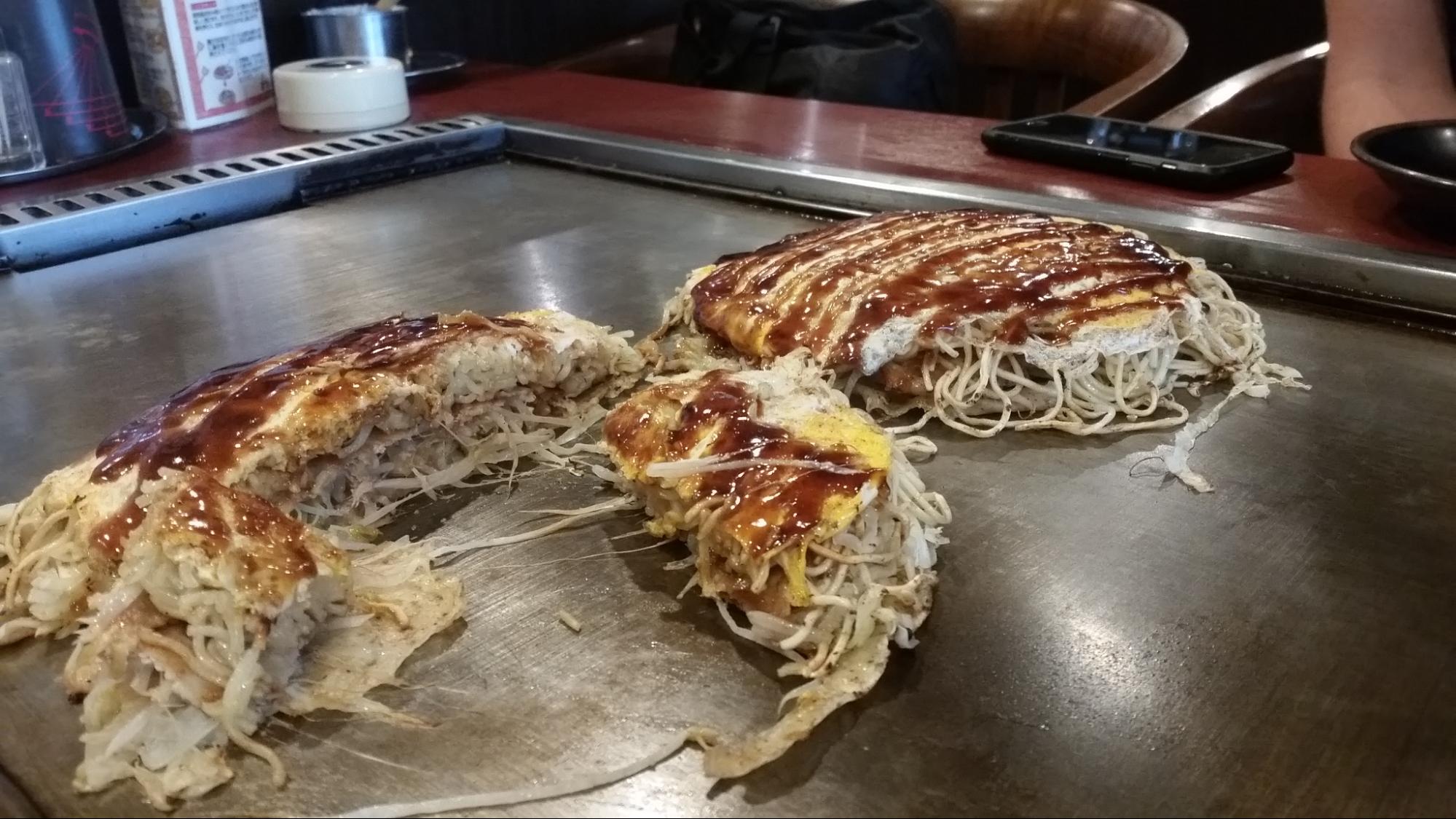
We tried okonomiyaki (which my college roommate Phil always recommended).
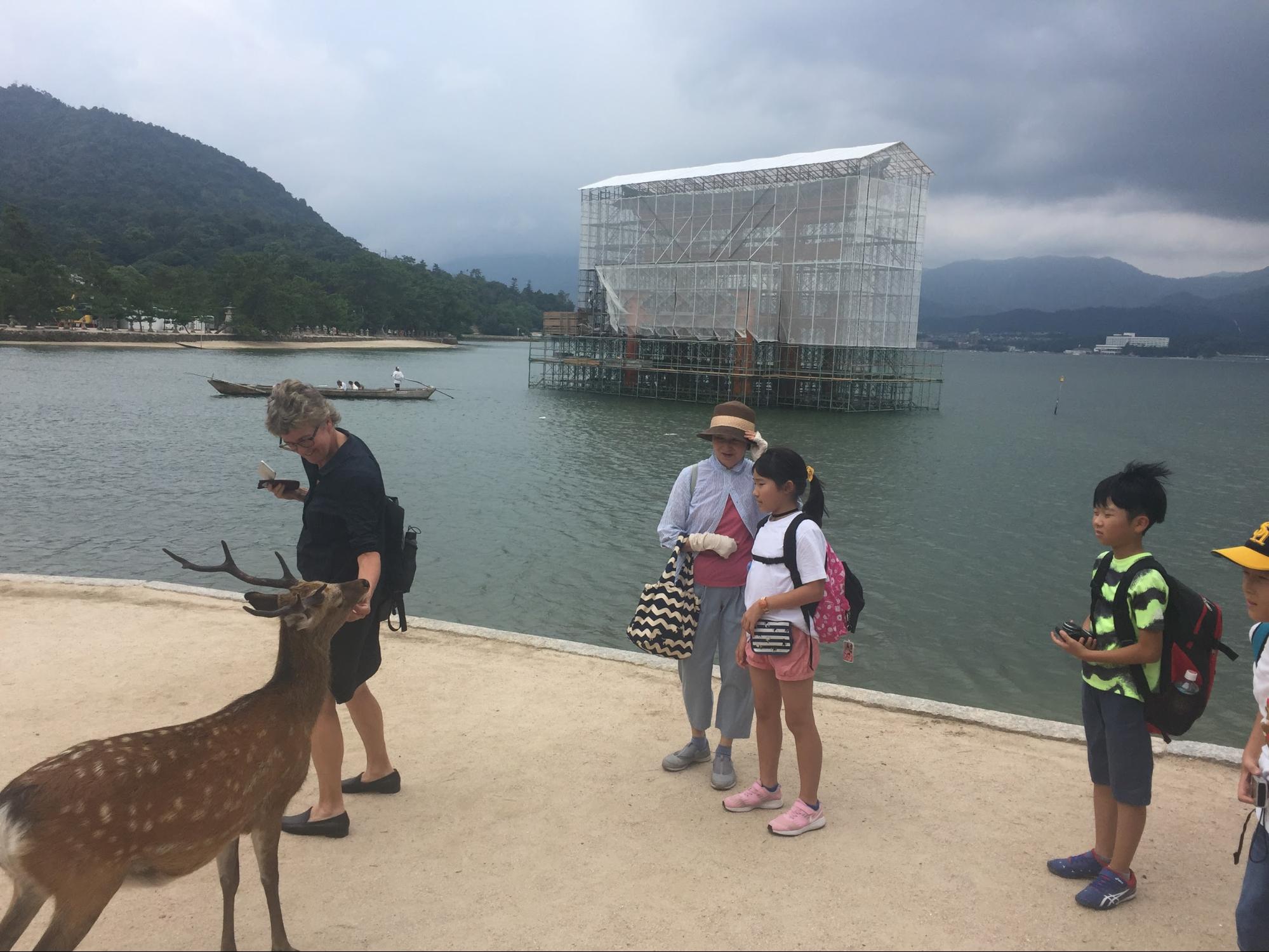
And we tried to go see the local great floating torii gate (under construction, the third or fourth time bad timing got in the way on this trip) and talked about all sorts of stuff from the online game developer community we met through. My silly hobbies and interests felt legitimate, with a kindred spirit there to share them.
Hiroshima itself felt sort of different from Nagoya. Closer to what I expected, more like a classical city, from what I saw of it. More public benches.
The last hurrah of my trip was back in the vicinity of Nagoya, a solo trip up into some gorgeous mountains. This is the story I usually recount in person, as someone who’s not typically much of a raconteur.
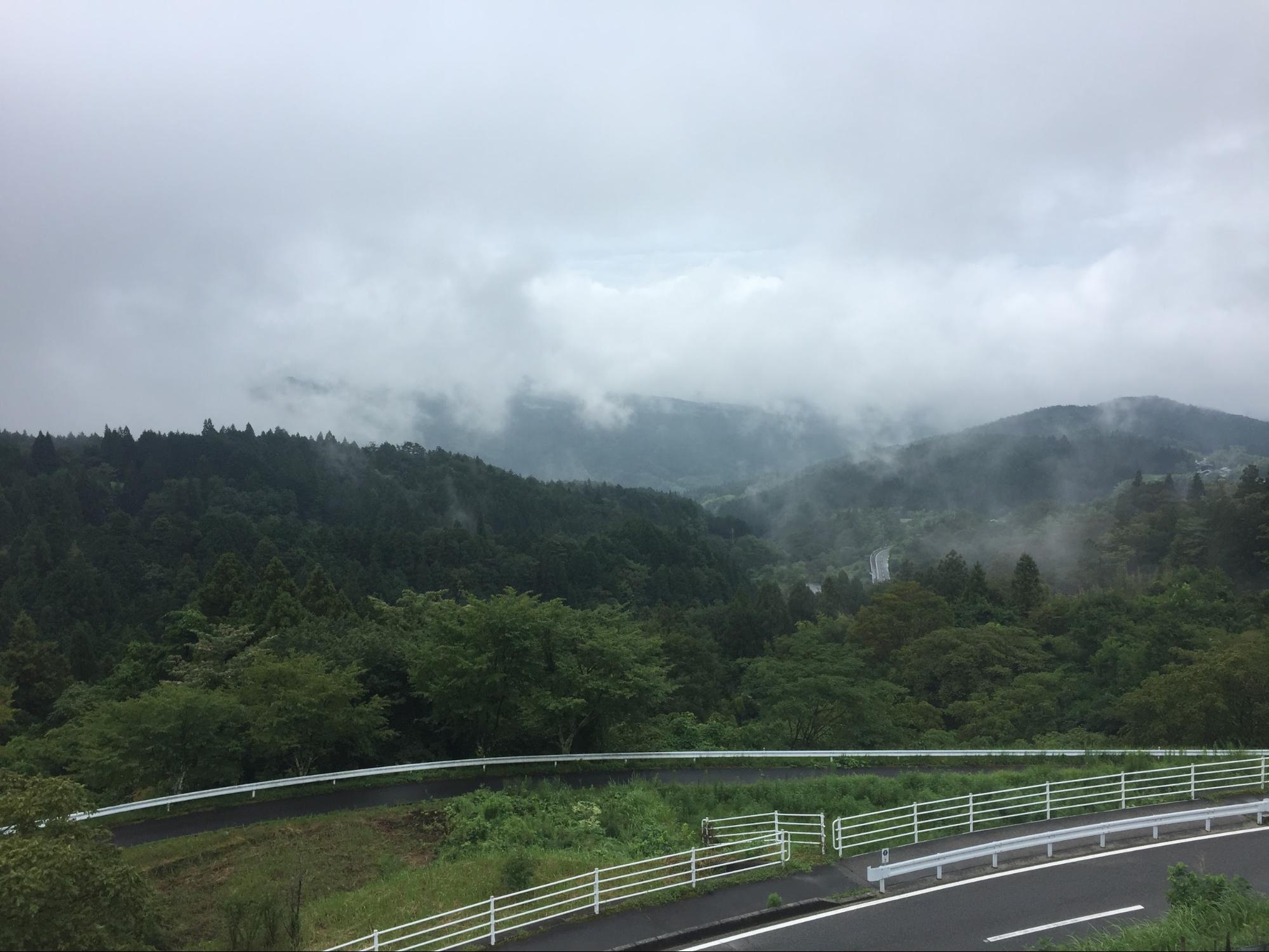
I took the route I mentioned above, a circuitous path over rail and dale, bused up a windy road into mist and fog, like a painting. On one of the trains, an older Japanese gentleman sat next to me and decided to strike up a conversation. He was so sweet. I told him I was from Ohio, and he said he’d been to Cincinnati because he had a customer there. “Very nice city.” The world is pleasantly small.
He gave me a card with Japanese emergency services numbers on them (I could see his cogs turning, trying to give me something helpful, searching for a gift to give the traveler) and taught me two symbols that actually came in handy later. He told me I was very brave for traveling there without speaking the language. This was a powerful, helpful sentiment for me, in contrast with the Dutchman, who said I had taken long enough to grow up. “Have a nice turippu,” he said as we parted. I now wish I’d taken a picture with him. That human connection and the one I’d make on the following hike were my two favorite moments in Japan.
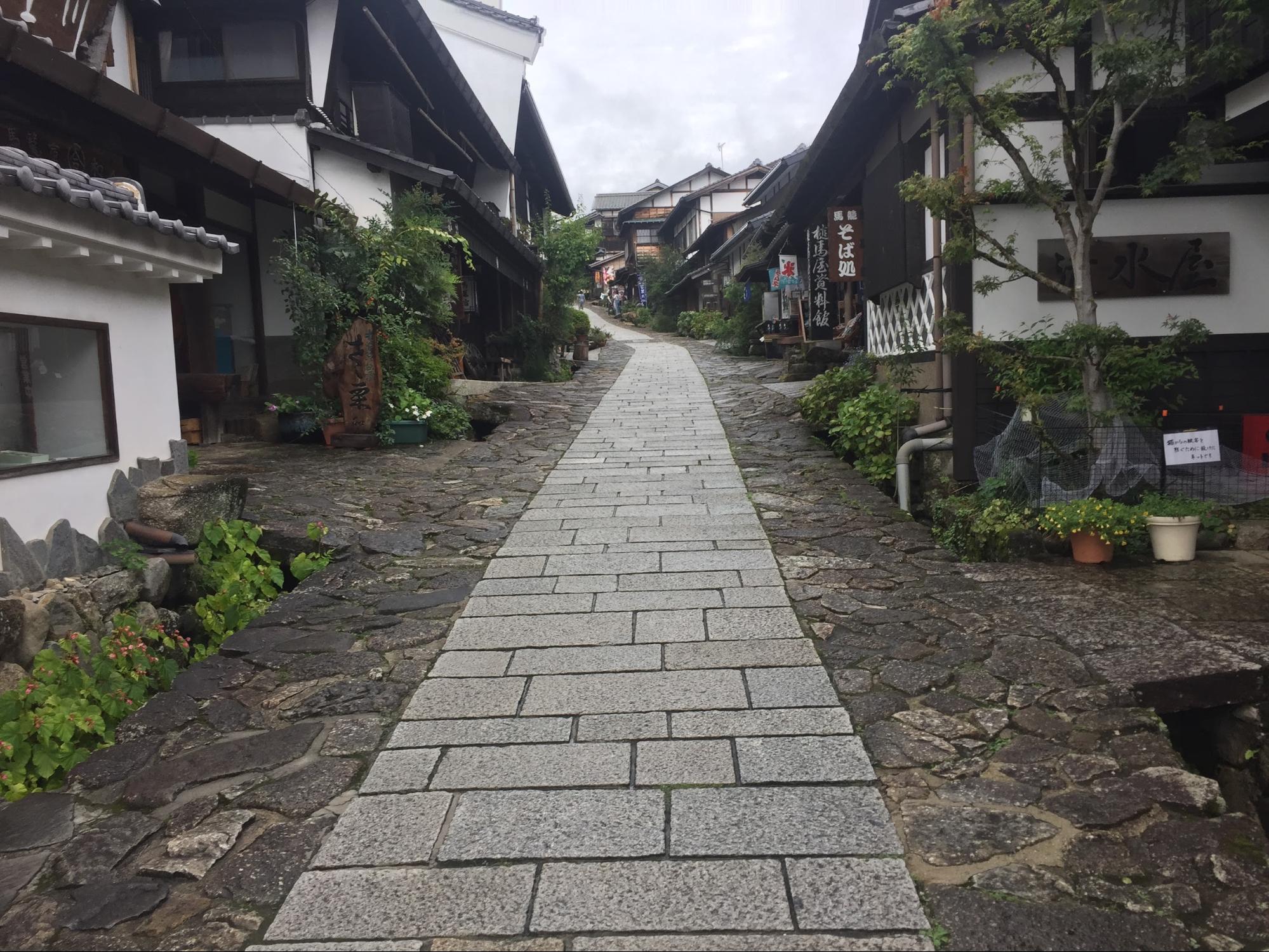
I arrived at the destination, which was a “post town” with a scenic path leading through to another post town.
There were streams of water on both sides of the thoroughfares for literal miles. It makes sense to build a town by a spring’s path, but it made me think of the similar troughs I’d seen in building walkways and the subways. I’m almost certain they were inspired by those old town practicalities. I find that fascinating. More old things survived to modern day. Love the fusion of old and new.
As I set out on the path between towns, I started to sense a low-level euphoria, a feeling that I was lucky to be alive and witness the strangeness of existence, which, frankly, isn’t my usual state. I was prepared for eight kilometers of jubilant nature and resting in my mere senses.
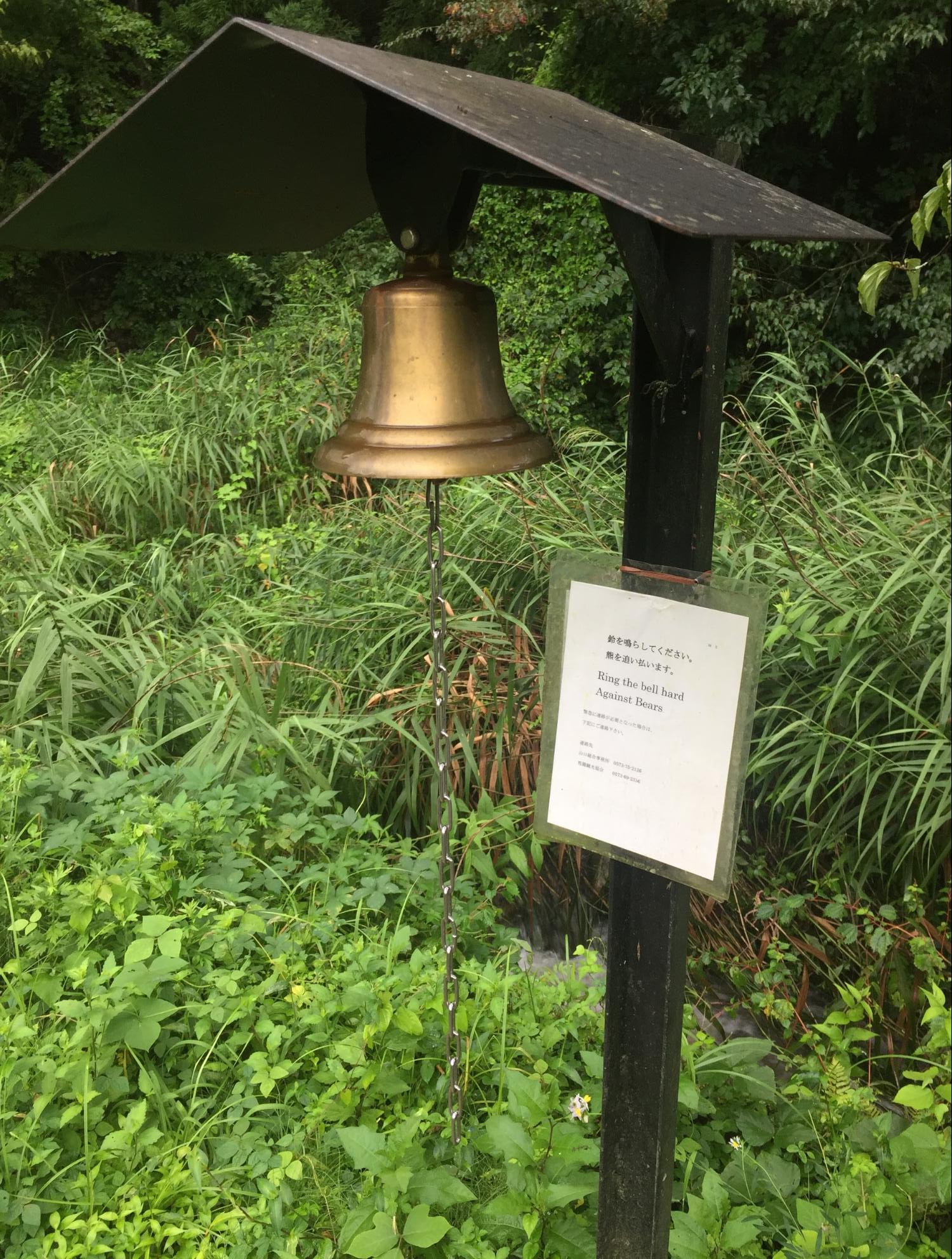
But about half a kilometer in, I ran into a bell with a sign that said “ring the bell hard against bears”, and suddenly I was filled with a dread. Here I am, as far away from home as I can be, halfway around the globe, in a country where I don’t speak the language, it’s remote enough to not have many English signs, and I’m all alone up in the mountains, miles away from anything, about to be eaten by a bear. It felt like a perfect metaphor for my life with existential dread–first half kilometer was happy, safe, hopeful, but then I learned something of danger and the rest became a distracted terror.
However! There was hope in the metaphor after all. About 3 kilometers in, a kid very purposely noisily tramped up next to me and struck up a conversation, and we spent the rest of the walk talking and enjoying each other’s company. I totally forgot about the bears, because I was with someone. Companionship usually does stave off the dread. Guess that’s the next piece of the grand puzzle to figure out for me.
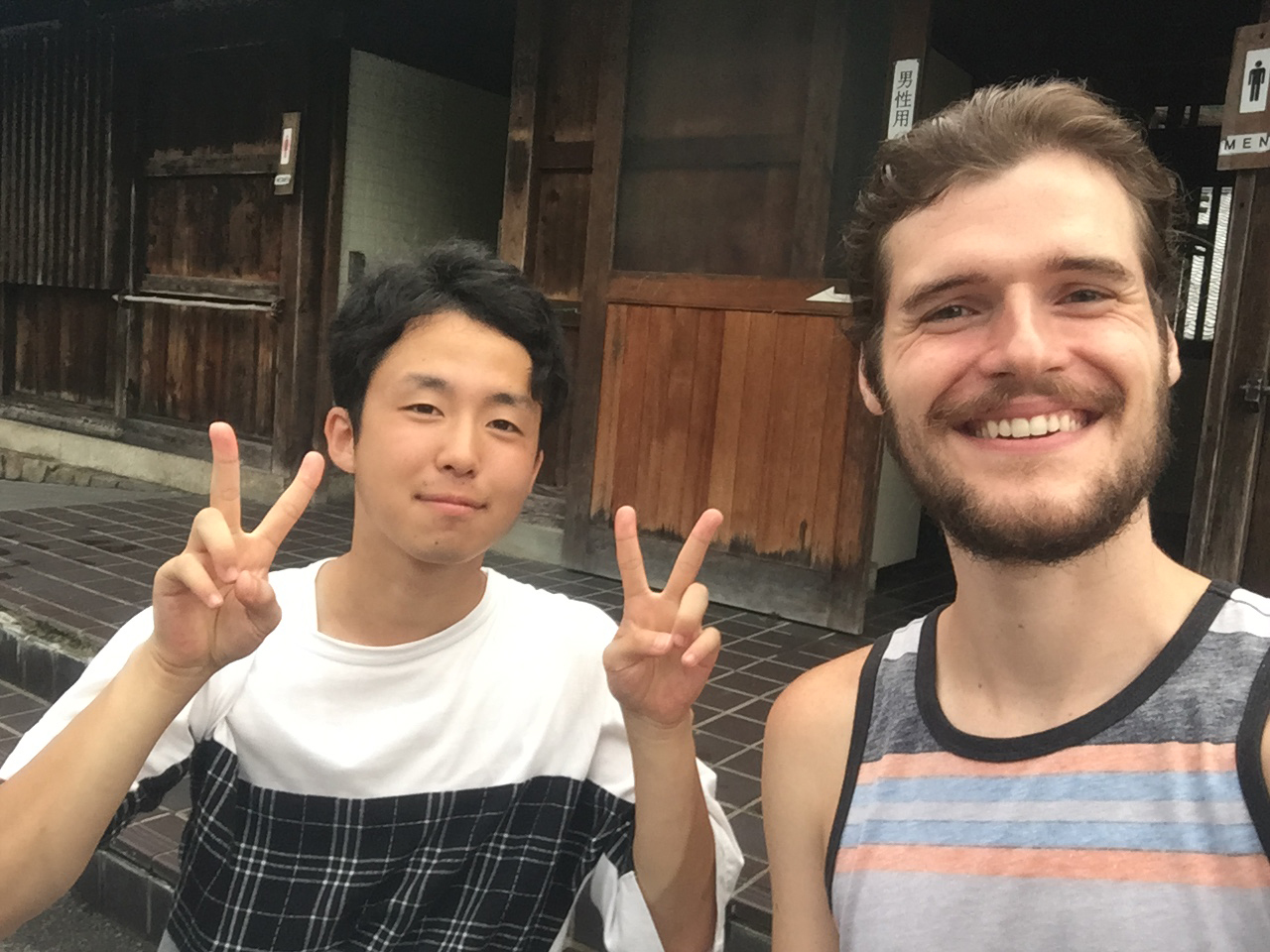
He was also an utter sweetheart, and we talked about everything, from his high school romance troubles to which anime I knew the Japanese names of to the meaning of symbols on signs to wanting to live in a big house in America and learn English and Spanish. I was very happy for the company and that I was able to make friends in spite of my anxious new-to-traveling shyness.
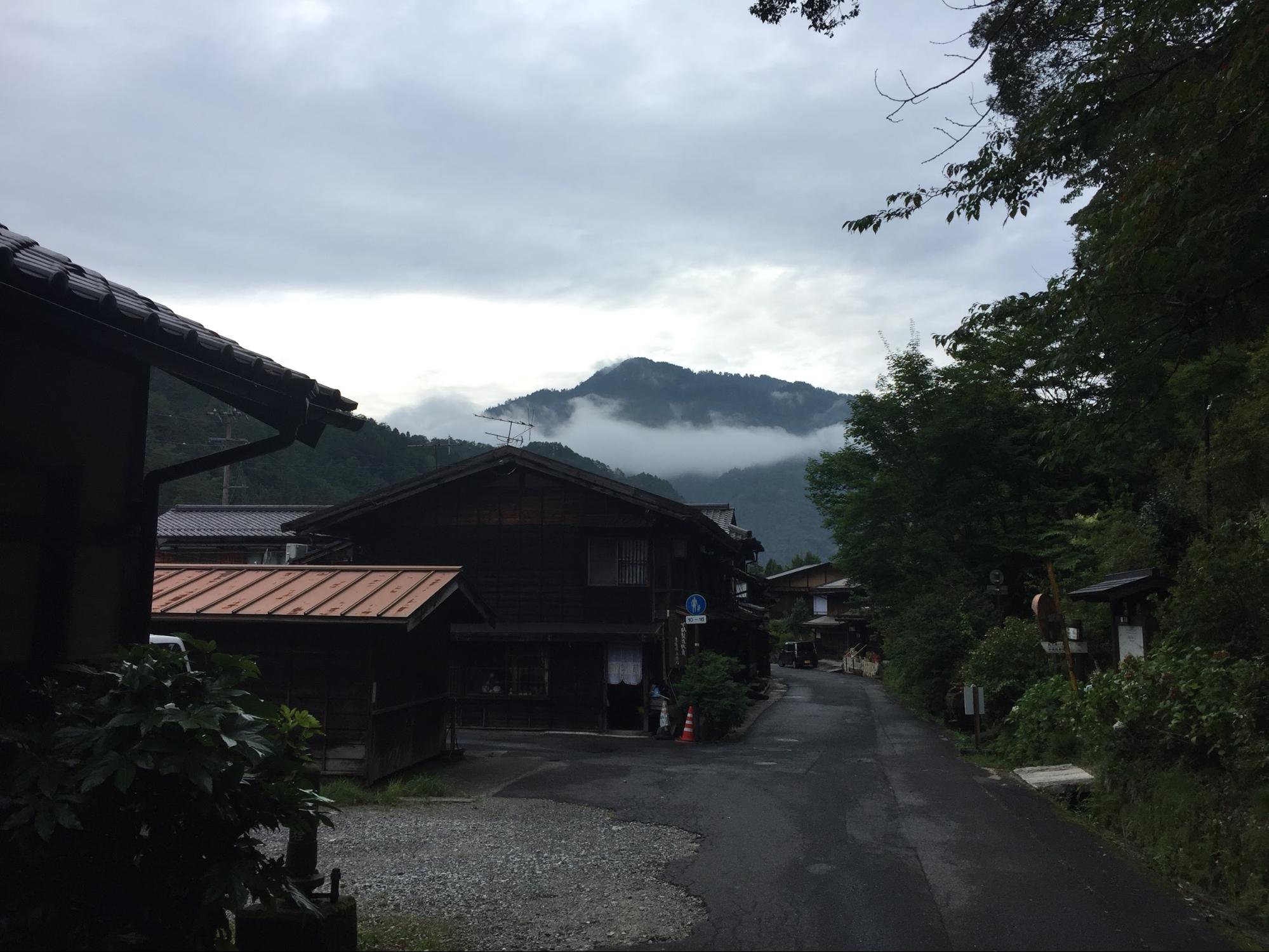
The trip back to Audrey’s stayed pretty adventurey. On the way out there, there had been a surprise surcharge for the express line that put a dent in my calculations, and I was leaving the next day and hadn’t withdrawn more money, so I was worried about not having enough for passage.
I was out in the boonies, and it was getting dark. I took the last bus to the express platform. It was too rural for the ticket station to be manned that late, so I just went and waited, the only person in sight, unsure of how to pay for my return. I missed the train that was just pulling out as I arrived, so I sat on a platform for an hour and a half, watching the fog roll over the hills as it got darker and darker. There were fewer English signs this far from the city, but the symbols the older man taught me actually saved my ass and told me which train car to stand by when it arrived. (They notoriously take off without waiting for you, so you have to be ready.) My phone died, so I didn’t have a map or means of contacting anyone, and all I had was one bill and a few coins left in my pocket.
The next train arrived and I hopped on. It was so dark outside that when you looked out the windows, you just saw the people on the other side of the car reflected back at you.
We pulled into the station, and it was then that I saw a sign in English on the wall that instructed you to take a ticket at the start of the ride so you could pay based on when you got on, which was something I had only had to do on buses up to that point.
I tried to explain my situation to the conductor, that I wasn’t sure how or what to pay. He didn’t understand me, and directed me: “Station.”
So I got off and went up to the help counter. I had two prompts. First, “I need a ticket for my next destination”, and second, “I need to pay for the train I just got off of.” He only understood ticket, and repeated it (“chiketto”), ushering me past the ticket wicket to the other side where I could buy fare for the next leg without having paid for the last. Because of that misunderstanding, I made it home with $1.60 left in yen.
Almost got eaten by a bear, and then I ran out of money in the dark countryside alone in Japan with a dead phone. Someday I’ll be able to tell it well.
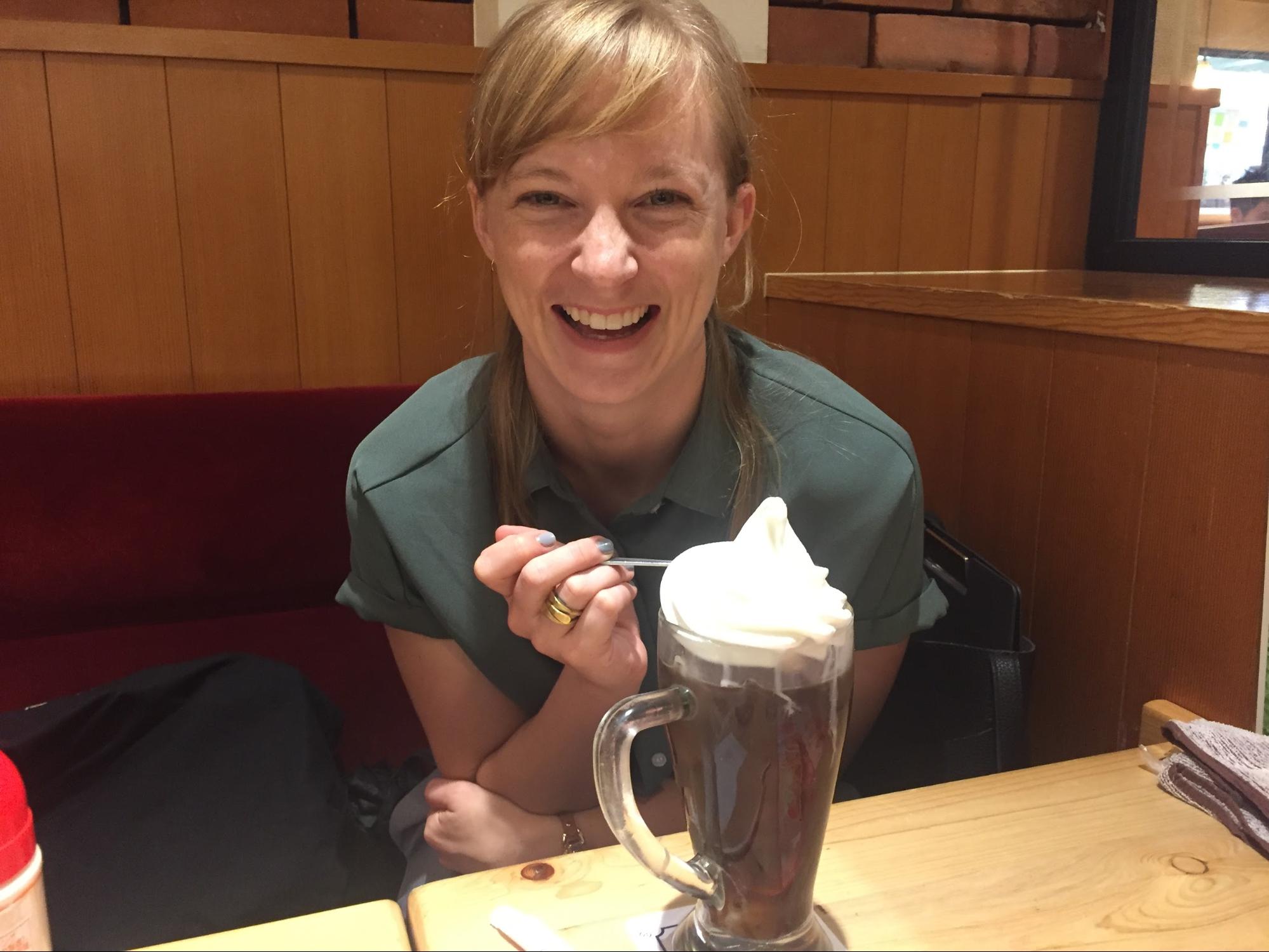
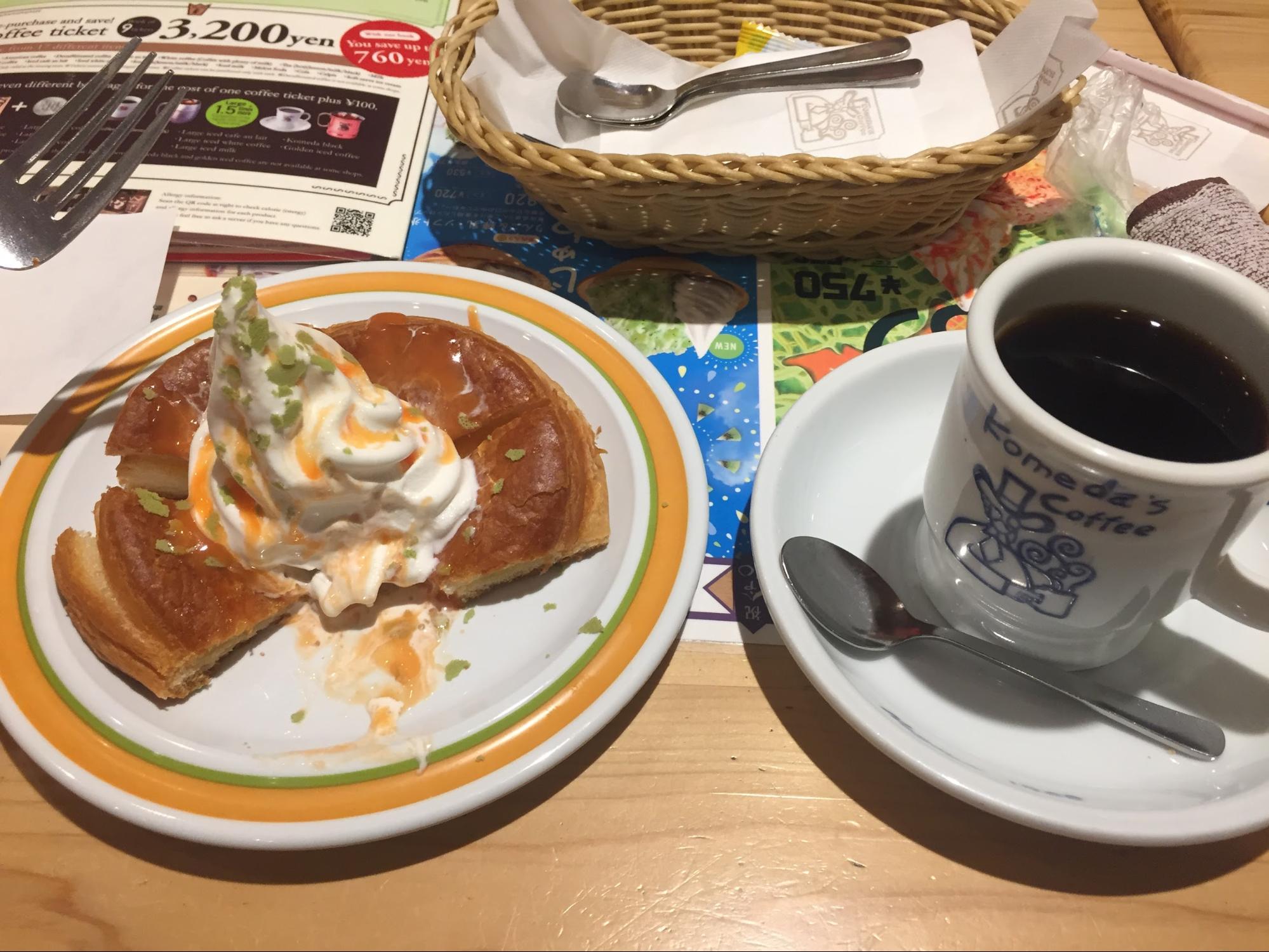
The next day was my flight home. When we parted after a yommly melon-flavored, Nagoya-style breakfast, I expressed to Audrey that the trip had been good for my mental health, and that I was worried about stumbling when I got back. She said she feels similarly. That she’s an individual, on a path, self-sufficient in Japan, and that coming home might overpower those realizations and feelings.
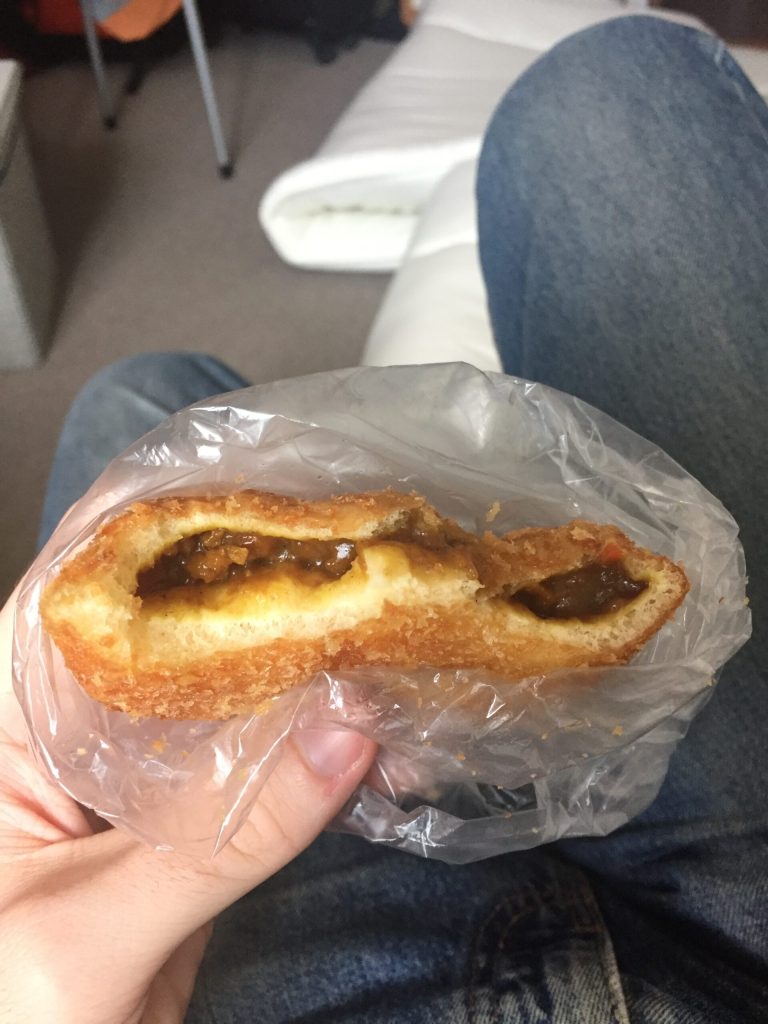
I haven’t shared much about the vending machines or all the tasty foods I tried, but there were a great many. I loved trying a new drink from one of the vending machines on every corner. My favorite food was probably the classic tamago kake gohan, raw eggs over rice (with homemade pickled veggies). But I also enjoyed this curry-filled donut:
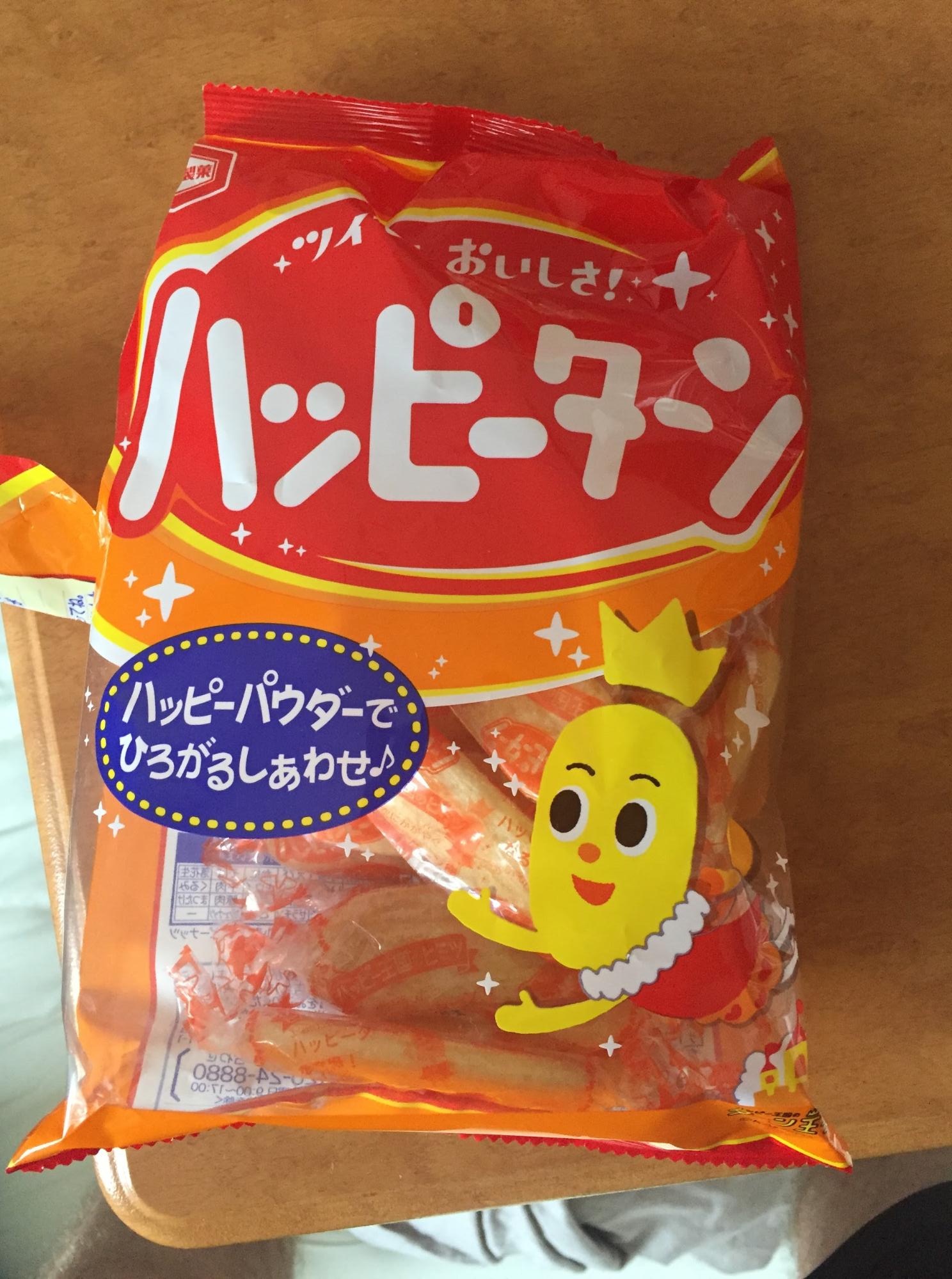
And these salty bois:
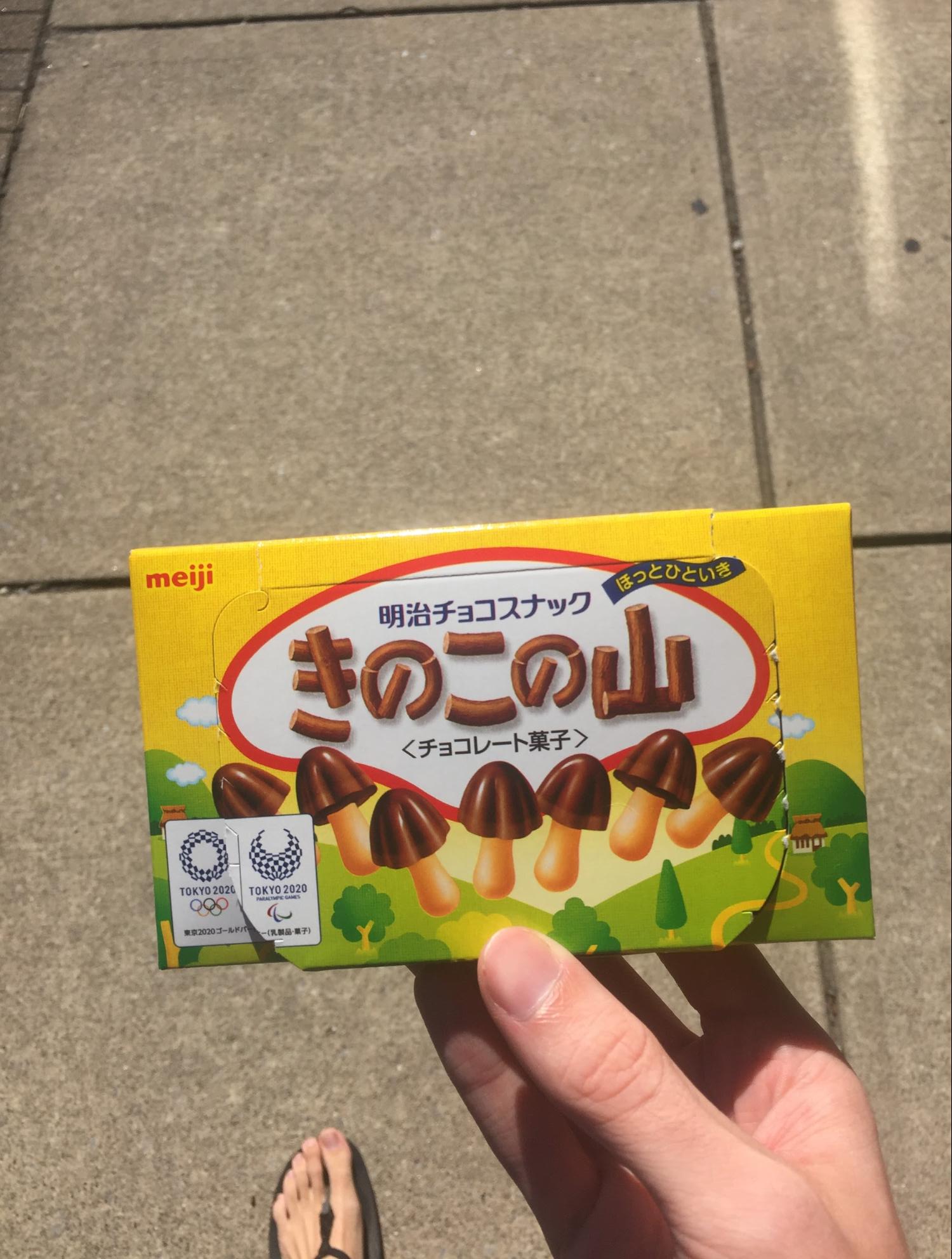
And these mushroom-shaped chocolate things:
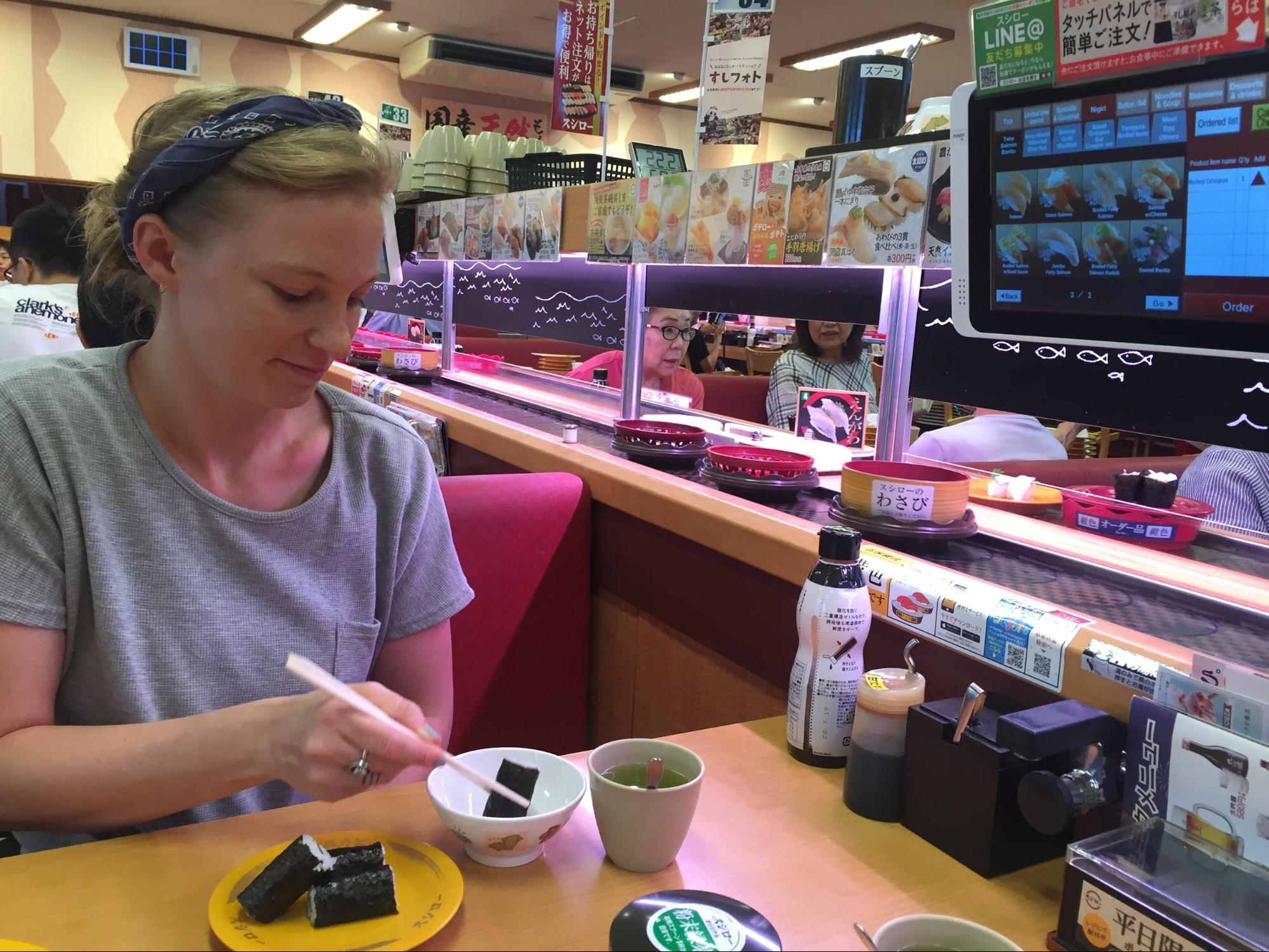
And all the sushi we tried at the never-ending sushi belt restaurant, except maybe for the eggplant roll and fermented beans roll:
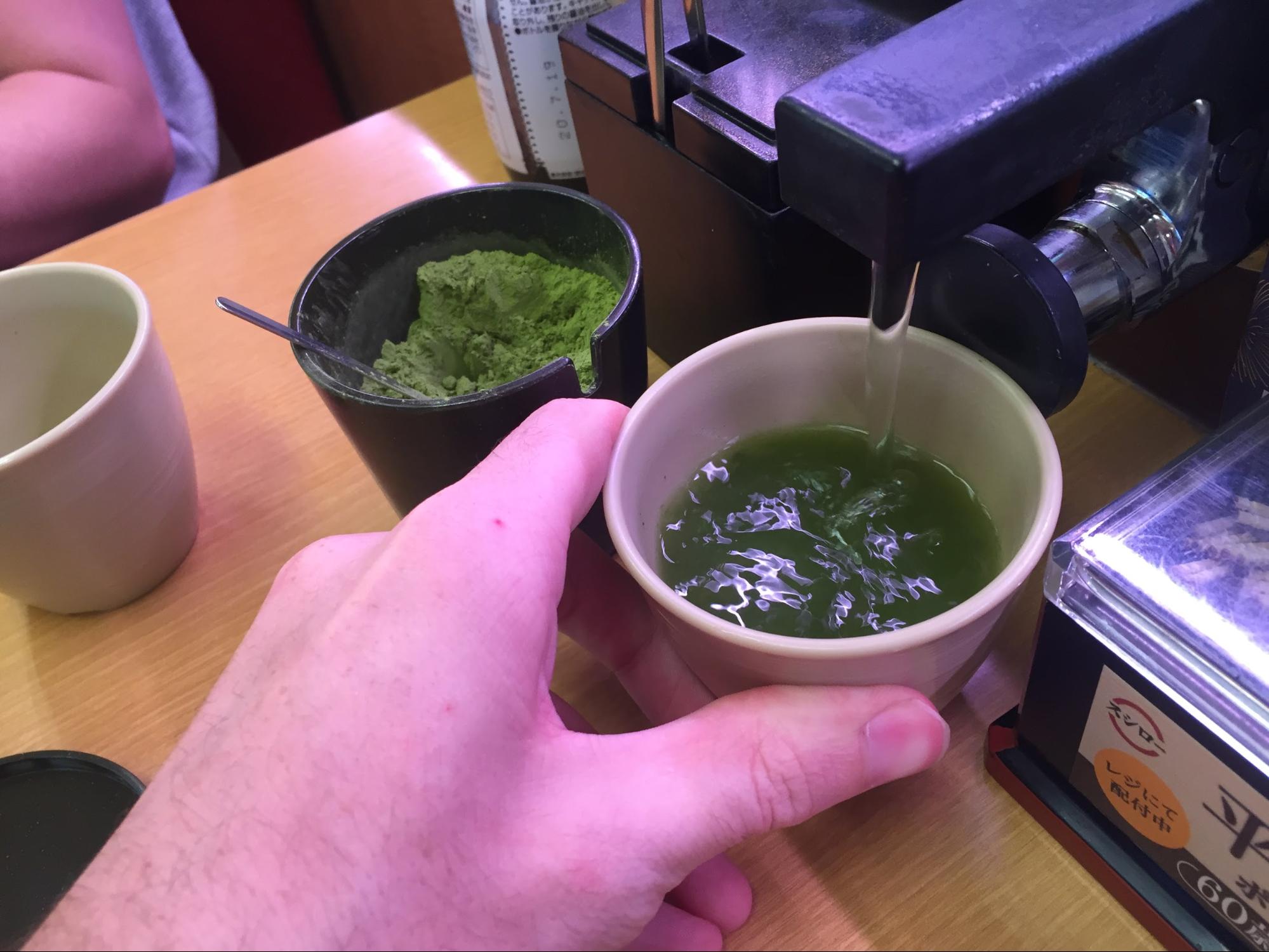
Complete with hot water built into the table for matcha:
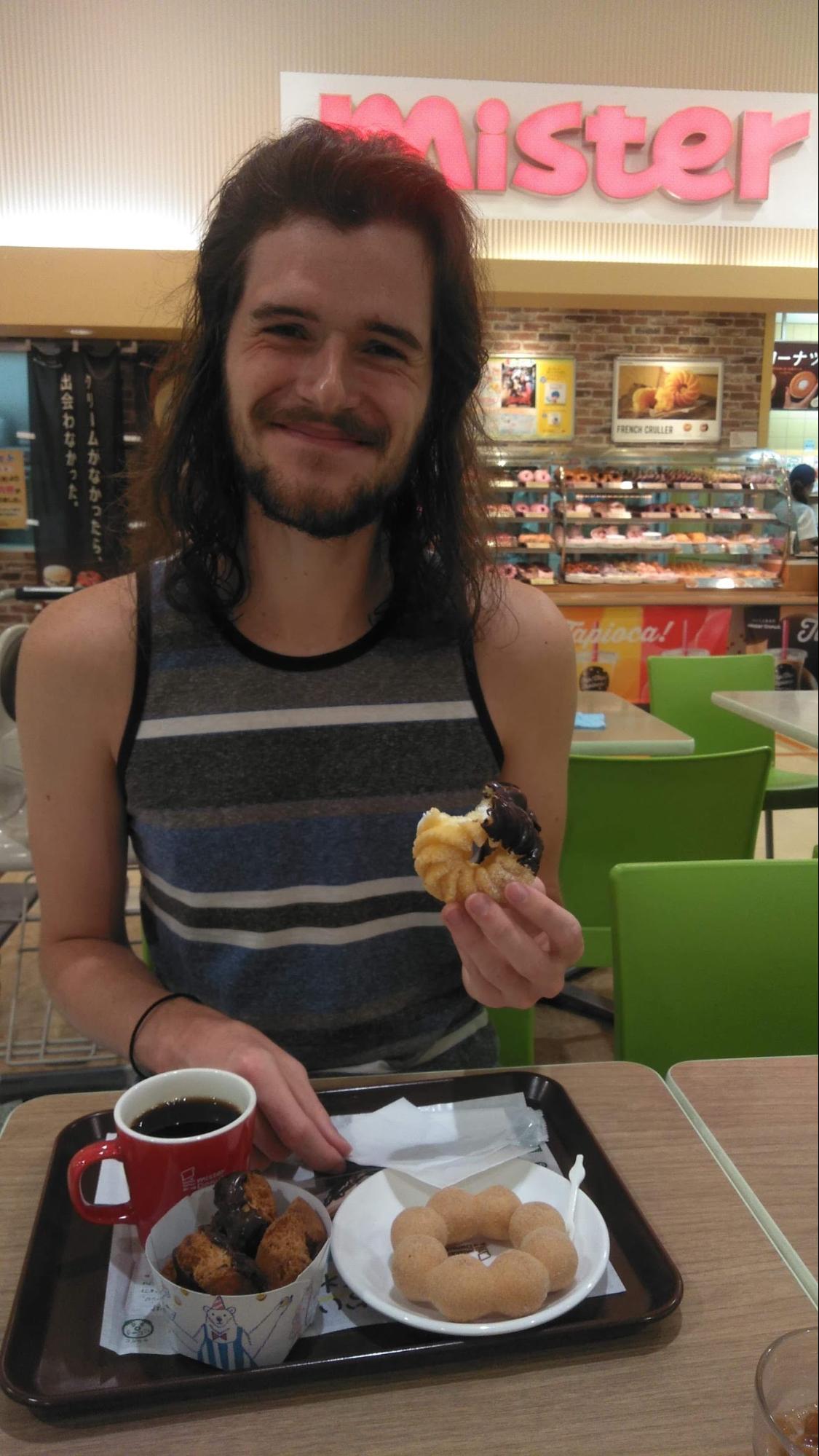
And mister donut:
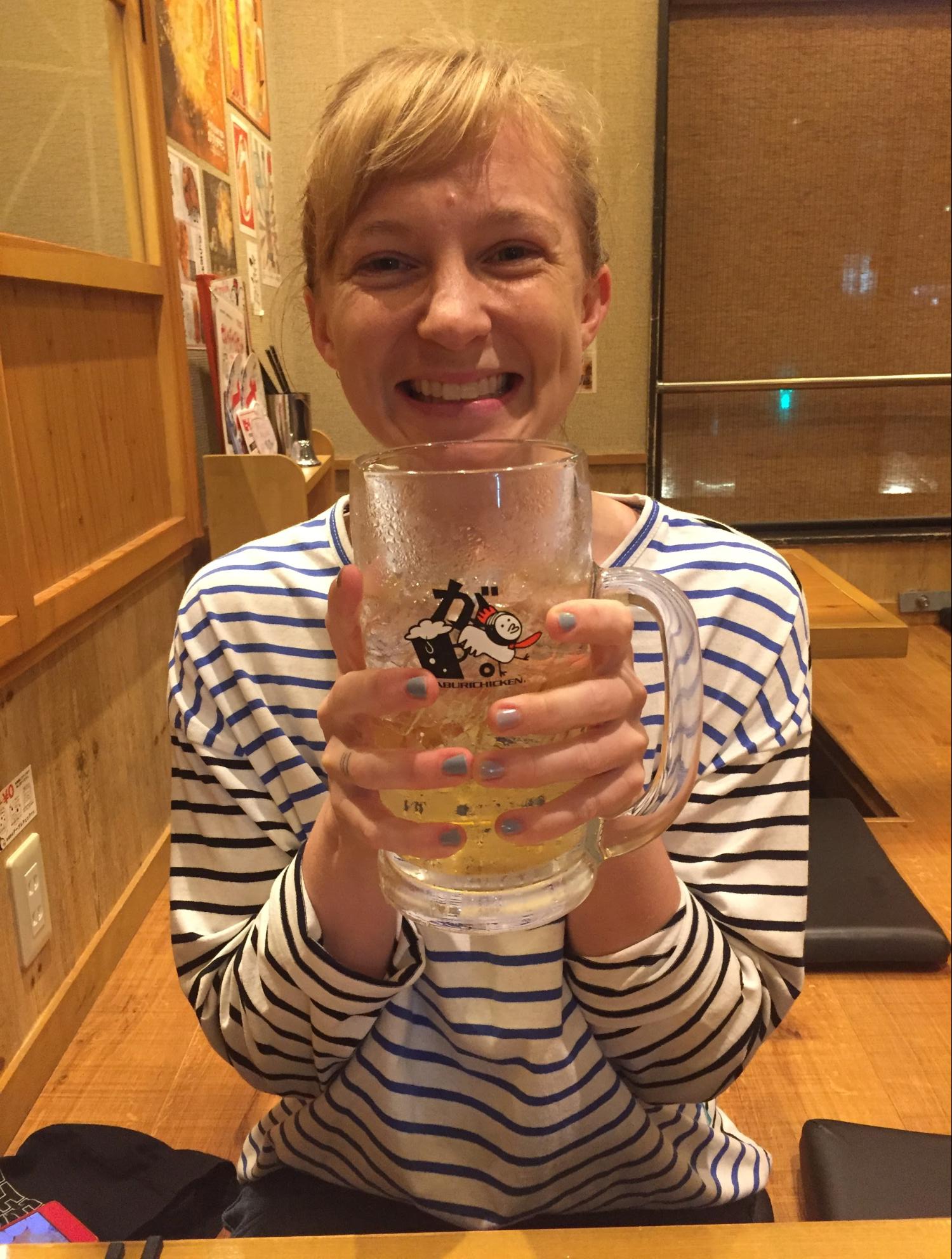
And Gaburi Chicken, where you sit at a table embedded halfway in the floor and roll dice at the beginning of your meal to see if you get a free drink or have to pay for the super large one:
There was even a Denny’s, but its menu wasn’t familiar:
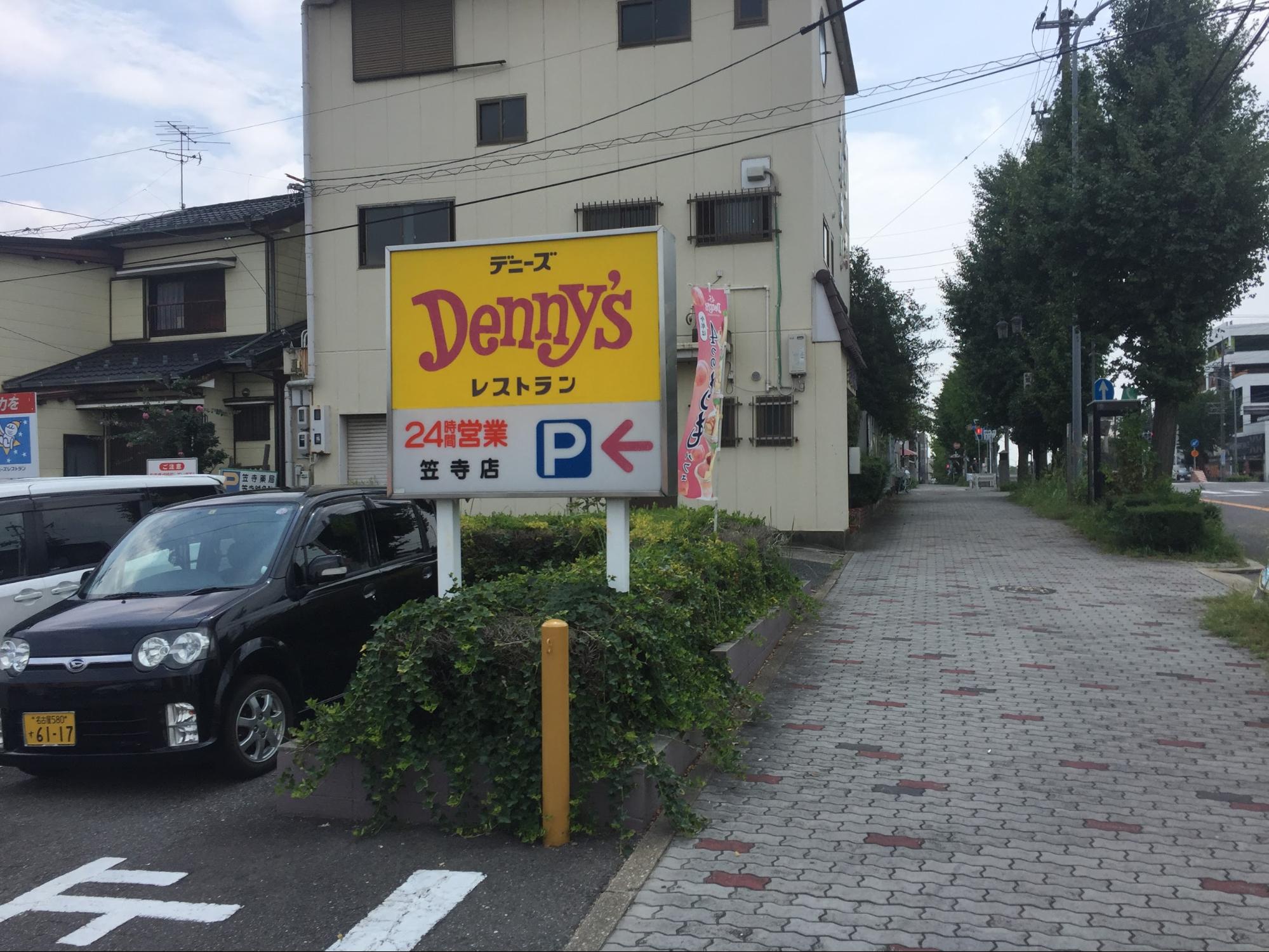
And some miscellanea that flavored the trip:
- AC isn’t as sacrosanct in Japan. It’s usually little units that turn themselves off after a few hours. I sweated a lot. It was good for me?
- Don’t really understand everyone raving over konbini, convenience stores. It’s just a UDF minus ice cream.
- The plastic napkins there don’t absorb worth a damn, but I do like the warm, wet towelettes.
- Japanese children babbling is particularly cute. Just, extra cute. I don’t know how.
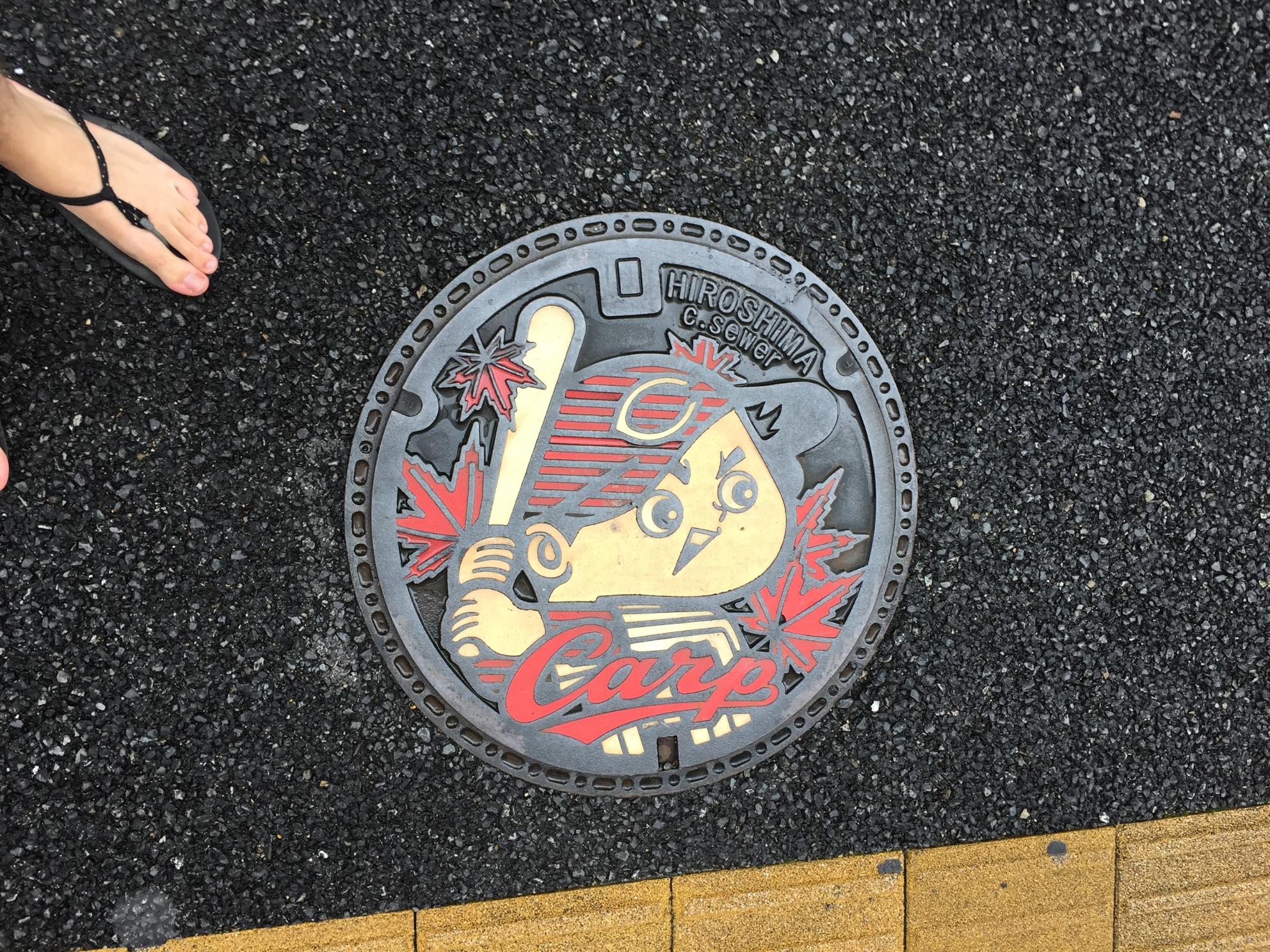
- Took too many pictures of manhole covers. I’m sparing you by only sharing one:
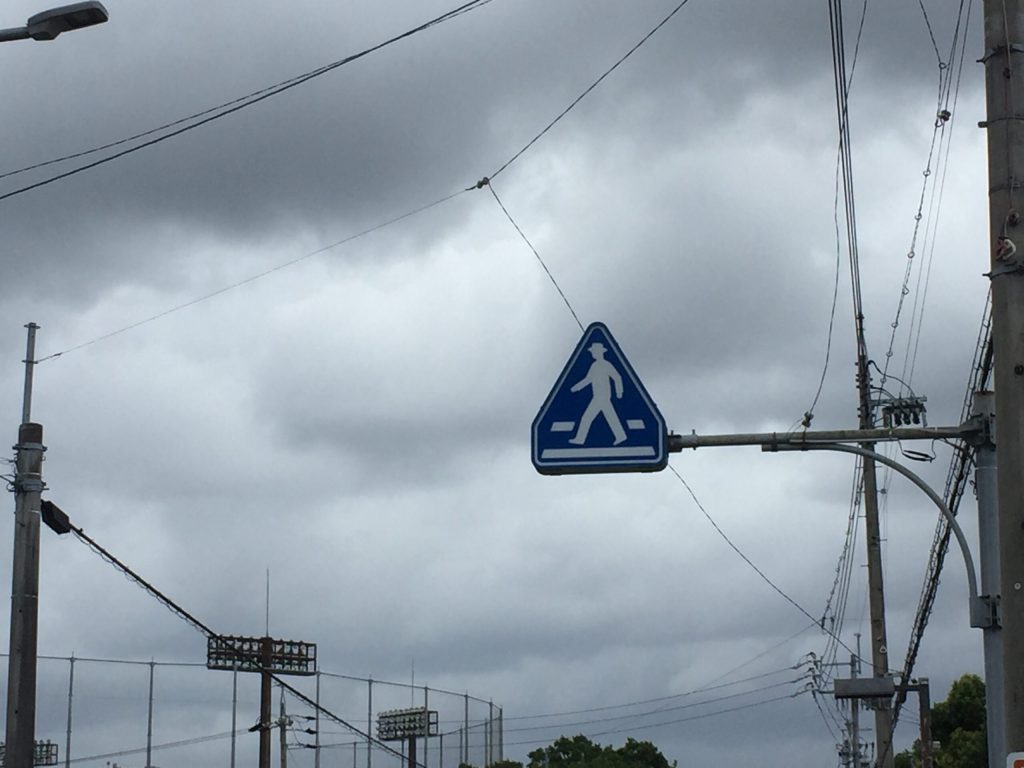
- Every image of a person on a walk light or street sign or notice had a little fedora. Classy:
- Everything is so jingly there. It’s mechanical and musical and retro and futuristic. And all the signs are so chibi. I wonder if 17th-century Japanese people would recognize themselves in their countrymen of today.
- I regularly saw signs outside shops that shouted “Coffee!” with spinning emergency lights attached to them.
- They don’t really do public seating, garbage bins, or drinking fountains. Kind of surprises me, for an aging country whose cities are covered in physical, texture-based route guides for the visually impaired.
Already looking forward to heading back for Tokyo, Kyoto, Osaka, and beyond.